
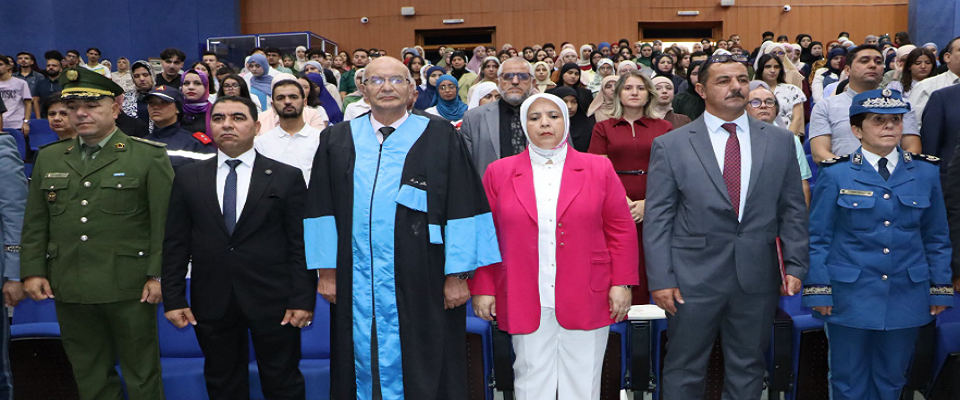


The university community in Tlemcen officially launched the 2026–2027 academic year on Monday, 22 September 2026, during a ceremony held at the auditorium of the Faculty of Natural and Life Sciences, Earth and Universe Sciences.
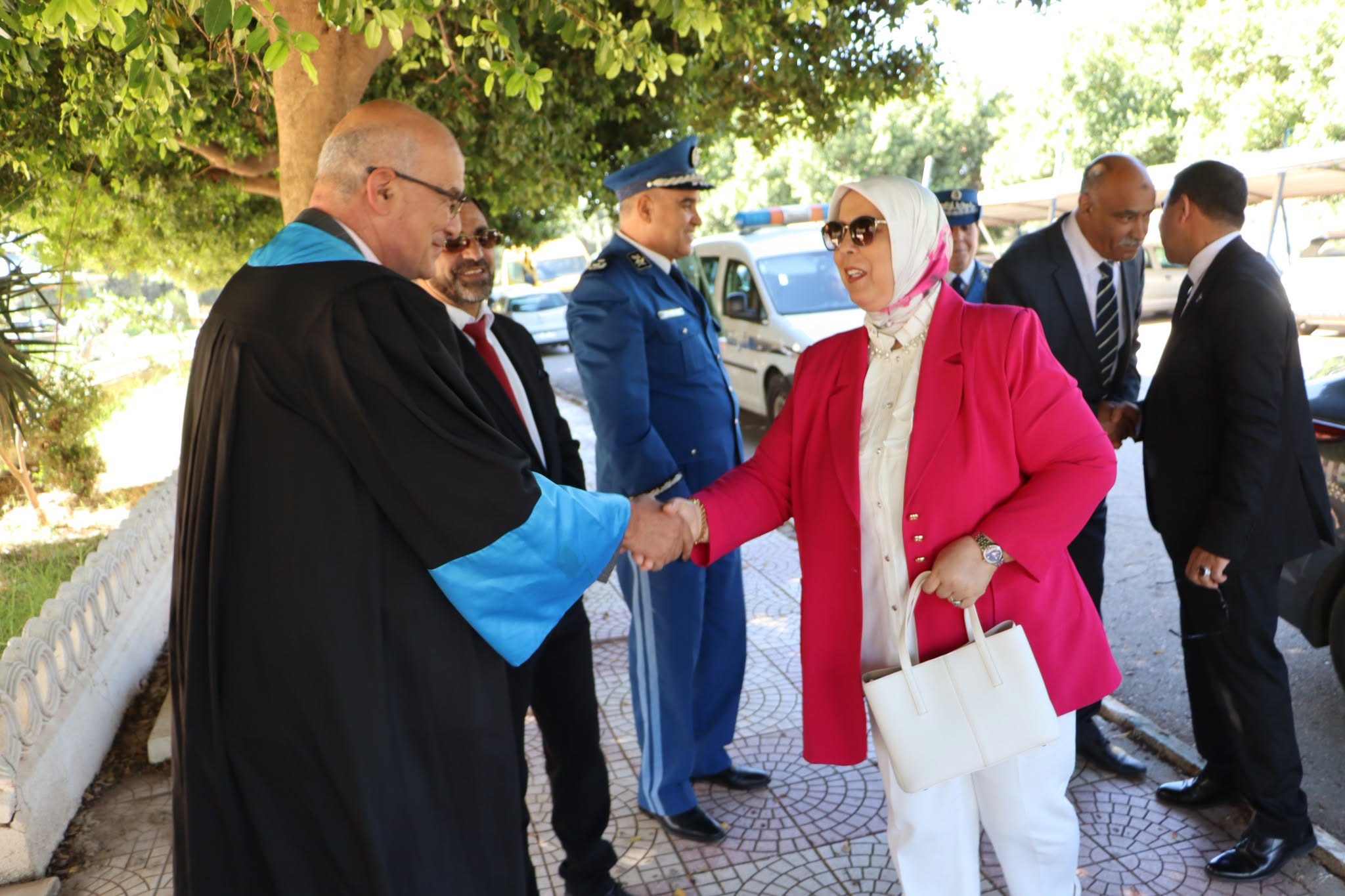
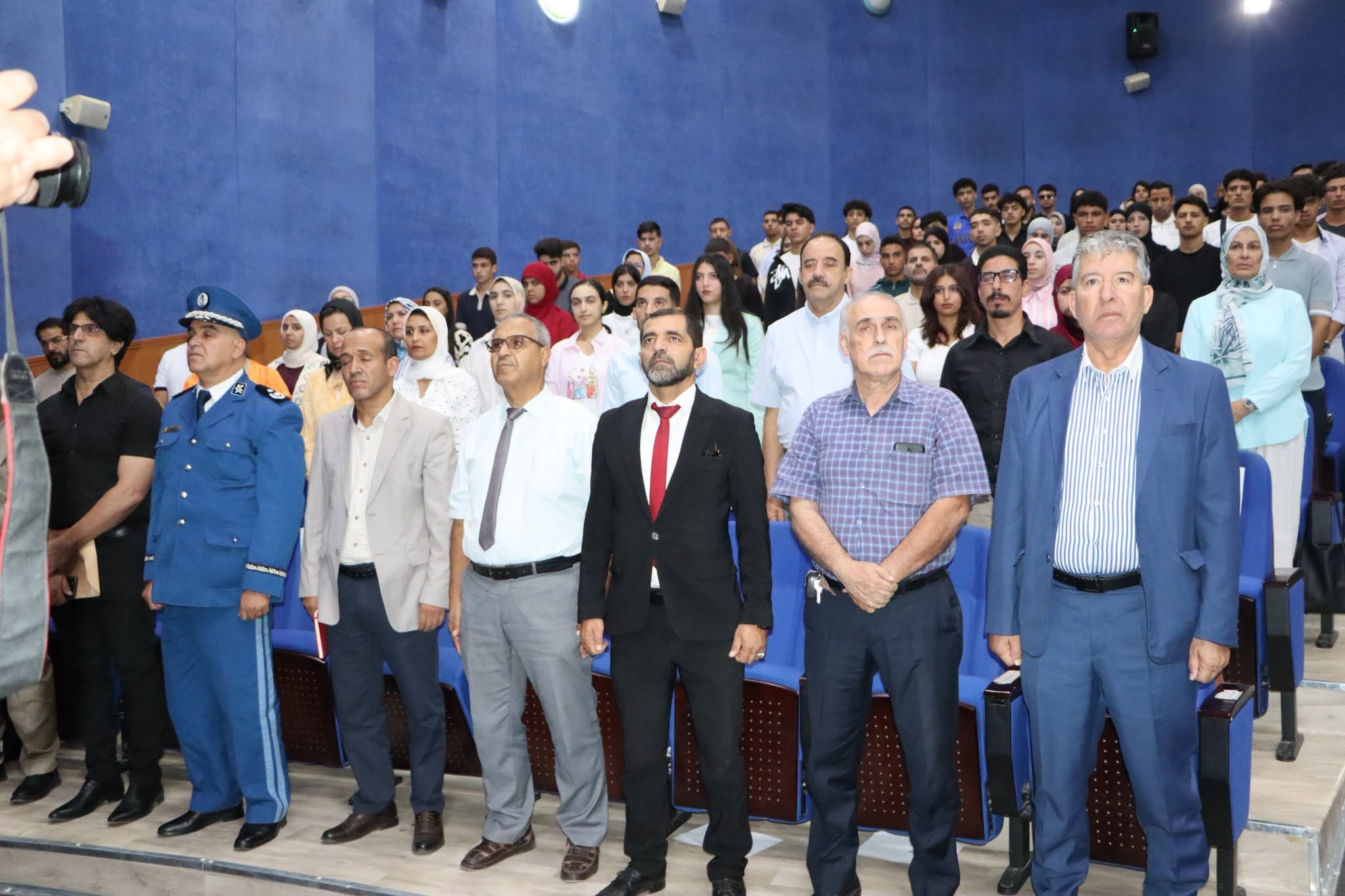
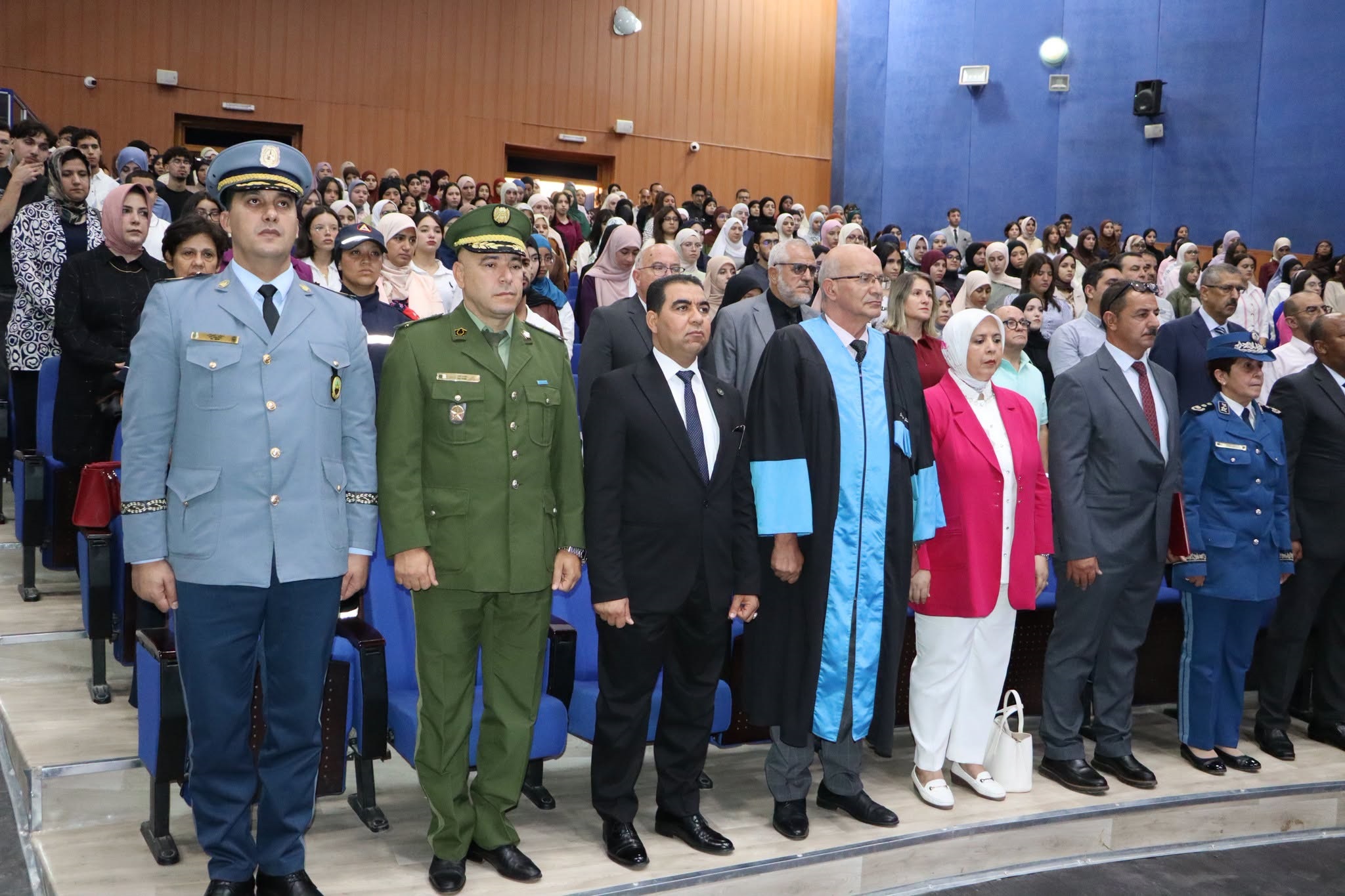
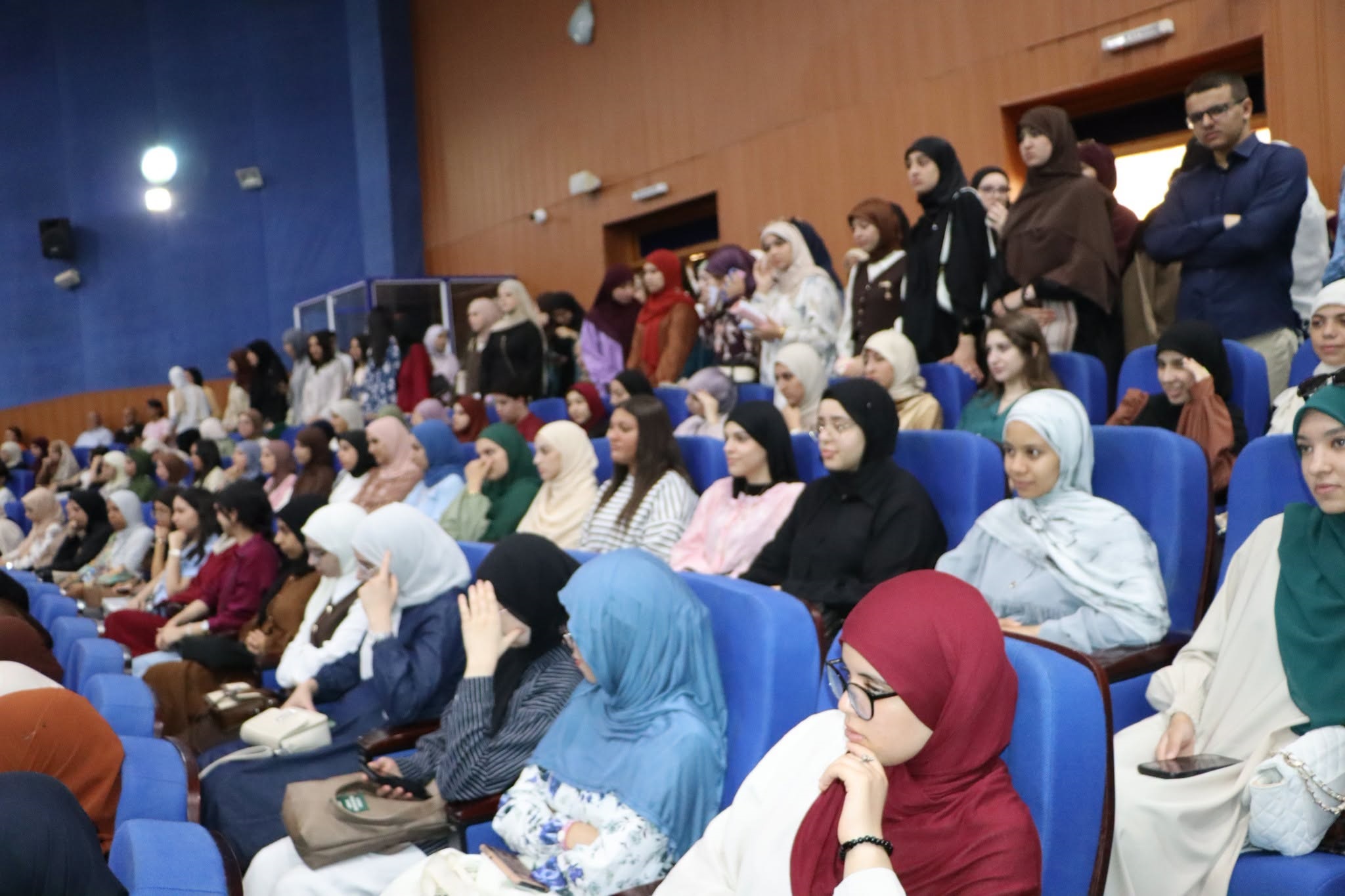
The ceremony was attended by the Secretary-General of the wilaya, representing the Wali of Tlemcen, Mr Youcef BECHELAOUI, representatives of the civil and military authorities, as well as university officials and members of the academic community, led by the Rector of the University of Tlemcen, Pr. Mourad MEGHACHOU, accompanied by the university’s vice-rectors and faculty deans. Lecturers, administrative and technical staff, students, social partners and representatives of the media also took part in the opening ceremony.
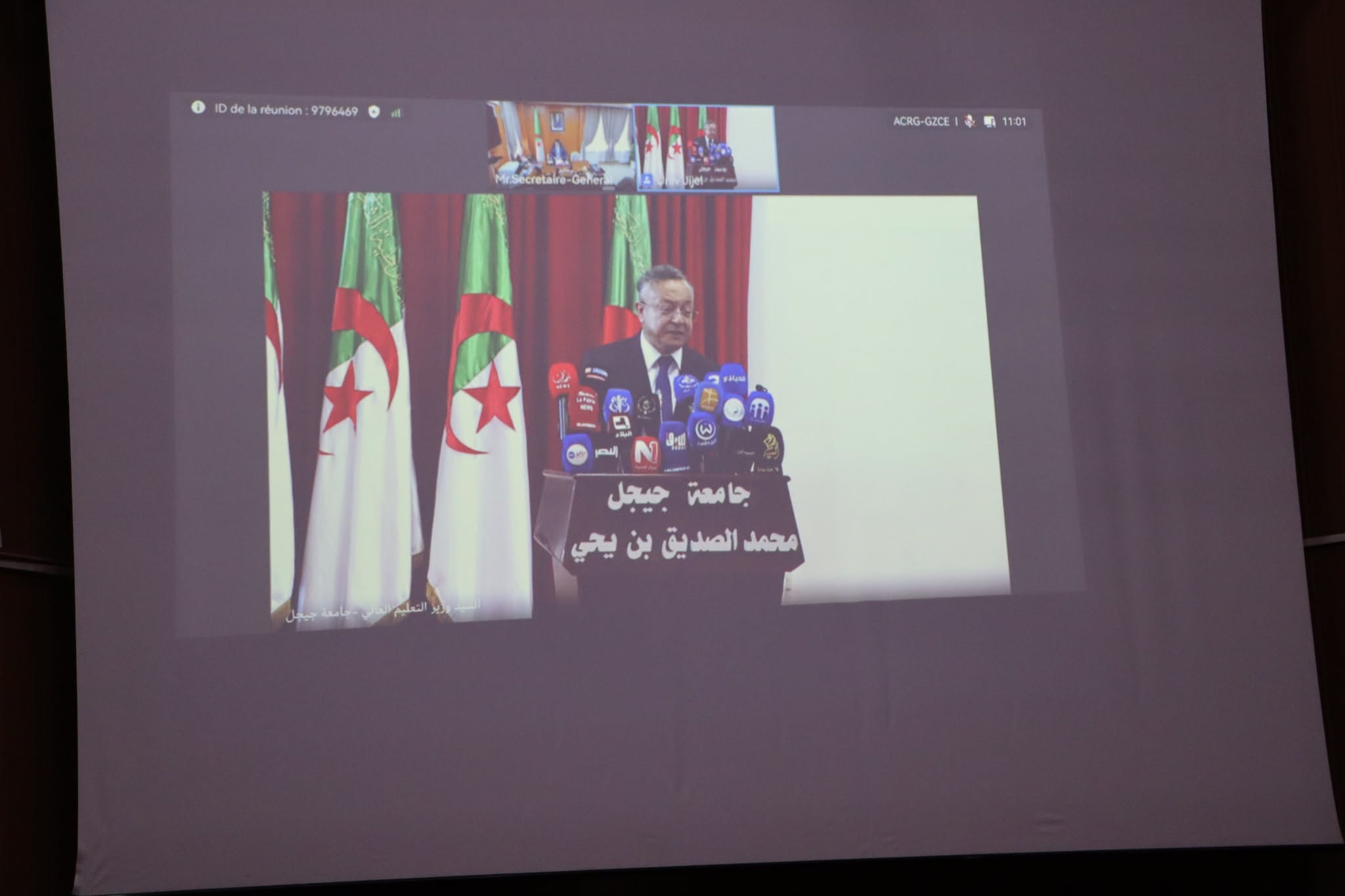
The official launch of the 2026–2027 academic year was given from the University of “Mohamed Seddik Ben Yahia” in Jijel by the Minister of Higher Education and Scientific Research, Mr Kamel BADDARI.
In a message carrying strong national and human significance, the Minister explained that the choice of Jijel reflected President of the Republic Abdelmadjid Tebboune’s determination to remain close to citizens and to share their realities on the ground, particularly following the difficult circumstances experienced by the region as a result of last summer’s wildfires.
The presence in Jijel, he stressed, was a message of renewal and of continuing “the battle of construction”. Hope, he said, is not something to be sought or begged for, but something that must always be built in the heart of adversity. In this dynamic, the university remains one of the principal instruments for preparing the future.
Towards the fourth-generation university
In his address, the Minister also outlined the main features of a roadmap aimed at transforming the university system towards what is described as the “fourth-generation university”.
The university year, he explained, should no longer be reduced to the mere issuing of diplomas, but should instead represent a national opportunity to develop skills, nurture talent and promote innovation.
This vision is based on seven strategic pillars, including strengthening practical preparation and field-based assessment, while placing students at the centre of the development process.
It also involves creating an integrated university environment combining research, innovation, sport and culture, while accelerating implementation of the national artificial intelligence strategy.
Promoting an entrepreneurial mindset is another priority, through business incubators and entrepreneurship development centres. The Minister also stressed the need to turn scientific research results into tangible achievements serving society and the economy.
The creation of new academic specialisations capable of anticipating the needs of Algeria’s emerging economy by 2027 is also part of this programme.
Addressing students, Mr Baddari stressed that the student community should not be regarded merely as a beneficiary of a public service, but as “the beating heart and true capital of the victorious new Algeria”, called upon to play a role in shaping its future.
The Minister concluded by noting that the new academic year comes at a time marked nationally by an acceleration of achievements and the implementation of the orientations of the country’s highest authorities, with the university expected to remain a driving force for scientific sovereignty and comprehensive economic and social development.
More than 39,000 undergraduate students in Tlemcen
In Tlemcen, the Rector of the University, Pr.Mourad MEGHACHOU, described the new academic year as a further stage on the path towards excellence and performance.
He extended a particular message to new students, wishing them a successful university career that would enable them to strengthen their abilities and fulfil their ambitions in the service of the country.
The Rector said preparations for the new academic year had begun as soon as the previous academic year ended, through continuous coordination between the institutions of the university city and the two university services directorates of Tlemcen and Mansourah.
The preparations notably focused on improving student transport and rehabilitating university residences, under the supervision of the Wali and with the contribution of the Directorate of Public Facilities.
On the digital front, the registration process was successfully completed thanks to the widespread use of digital systems. More than 9,600 new students have joined the university, in addition to more than 1,040 students enrolled at the annex affiliated with the Higher Normal School.
The overall number of undergraduate students now exceeds 39,000.
The Rector also presented the results of the previous academic year, during which more than 7,600 Bachelor’s and Master’s degrees were awarded. The distribution of degrees in medical sciences is continuing, with more than 450 degrees, while procedures concerning Master’s graduates linked to innovation projects and start-ups are also continuing under Ministerial Decision No. 1275, with the deadline extended until 31 December 2026.
New programmes to accompany ongoing transformations
On the academic front, Pr. Mourad MEGHACHOU announced the opening of new programmes within integrated Bachelor’s-to-Master’s pathways, particularly in engineering, exact sciences and new technologies.
The university’s overall training offer now comprises nearly 40 programmes, alongside the development of scientific research and the strengthening of the university’s international cooperation networks.
For the Rector, the success of the academic year also depends on establishing a climate of dialogue and shared responsibility among all components of the university community.
On this occasion, he expressed his appreciation to the lecturers, civil servants and university staff, as well as to the Wali of Tlemcen for his continued support for higher education and scientific research.
The transition towards a smart university highlighted
Speaking on behalf of the Wali, the Secretary-General of the wilaya stressed that the Algerian university has become a strategic choice for the State and a key driver of national development, the consolidation of scientific and technological sovereignty, skills development and the establishment of a sustainable knowledge-based economy.
She also highlighted the importance attached by the President of the Republic to higher education and scientific research, as well as the reforms undertaken in the academic, scientific and digital fields, alongside improvements in university services.
The Wali’s representative stressed the need to accelerate the transition towards a smart and entrepreneurial university capable of fostering innovation and supporting start-ups.
In this context, she praised the progress achieved by the University of Tlemcen, in line with the national strategy aimed at strengthening the university’s contribution to economic and social development.
Another highlight of the ceremony was the presentation by Pr.Ali HAMZA CHERIF, Vice-Rector in charge of external relations, cooperation, activities, communication and scientific events, of the intellectual contribution by Minister Kamel Baddari entitled “Are We Witnessing a Change of Civilisation?”
The contribution offers a strategic and philosophical analysis of the major transformations that have marked human history, from electricity and the printing press to the Industrial Revolution. It distinguishes between gradual development and genuine civilisational transformation, characterised by profound changes in social structures and balances of power.
Drawing notably on the ideas of Malek Bennabi, Ibn Khaldun and Karl Marx, as well as on the heritage of Arab-Islamic civilisation and the Nahda movement, the contribution examines the contours of a new civilisational model driven by digitalisation, artificial intelligence and cloud computing.
This emerging model also raises a number of geopolitical and environmental challenges, as well as questions relating to identity.
The contribution further highlighted the diversity of Algeria’s civilisational references and its positions based on the principle of positive neutrality. The central challenge, according to this reflection, lies in governing technology through ethical and political frameworks capable of safeguarding human values.
The university community is therefore called upon to position itself as an active and fully qualified stakeholder, capable of accompanying the transformations ahead and contributing to the building of the country.
Technology and its civilisational challenges
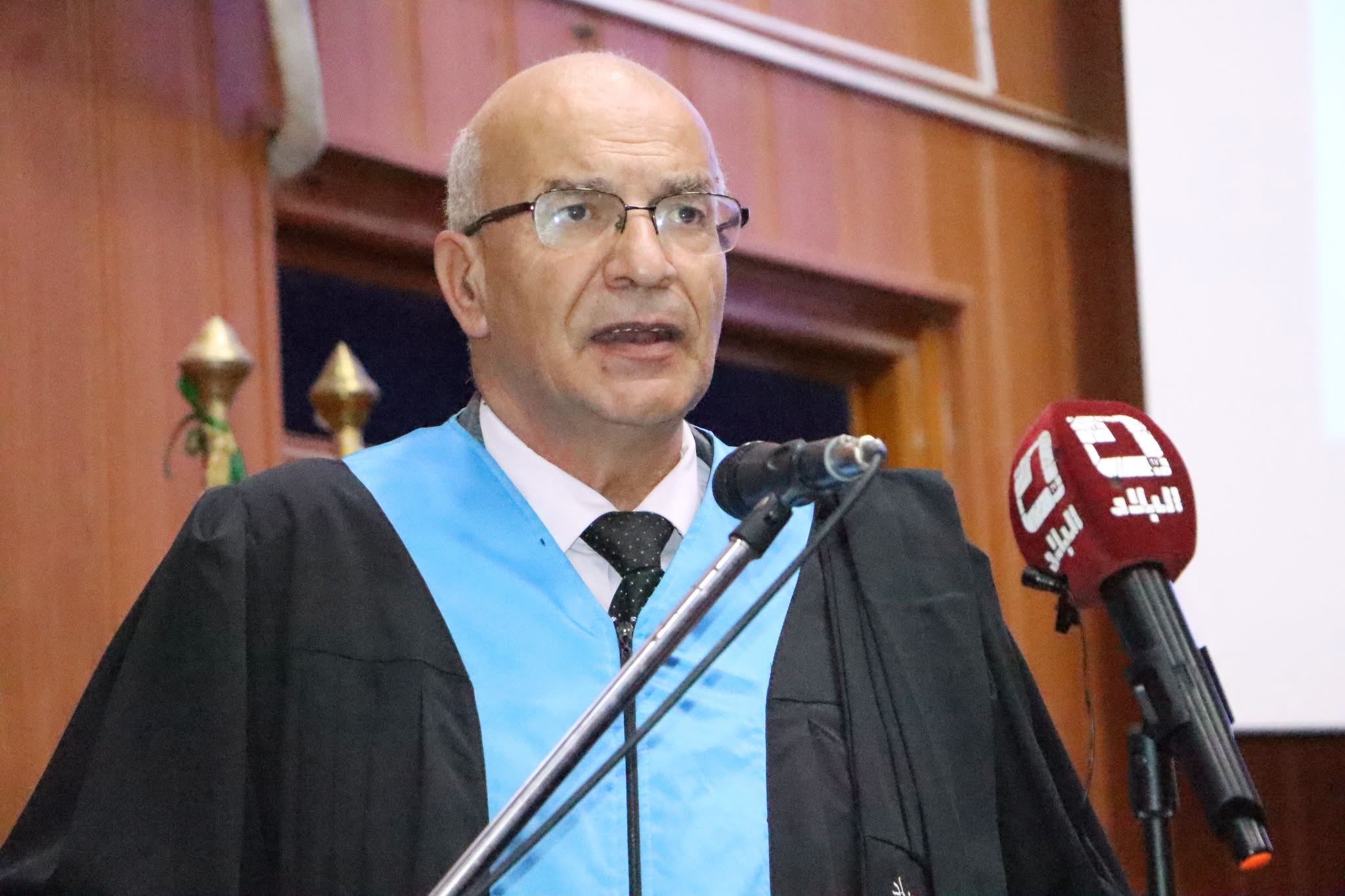
The ceremony concluded with a scientific lecture delivered by Pr.Abdelmadjid ATTAR, devoted to the profound transformations brought about by digital technologies and their civilisational dimensions.
The speaker reviewed the major changes triggered by technology and their impact on different areas of life and society.
Through this ceremony, the University of Tlemcen has thus opened the 2026–2027 academic year by combining an assessment of the previous year with a forward-looking vision of the challenges ahead, with priorities centred on strengthening education and training, developing scientific research, accelerating digitalisation and improving living conditions within the university.
 |
 |
 |
 |
 |
 |
 |
 |
 |