
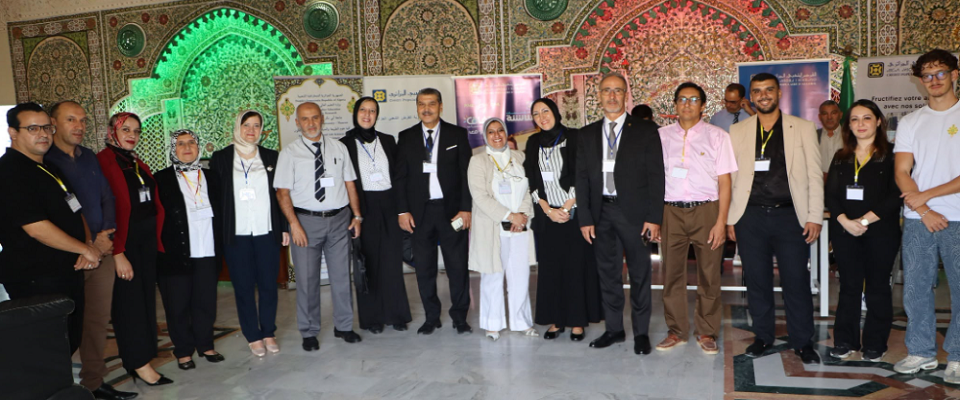


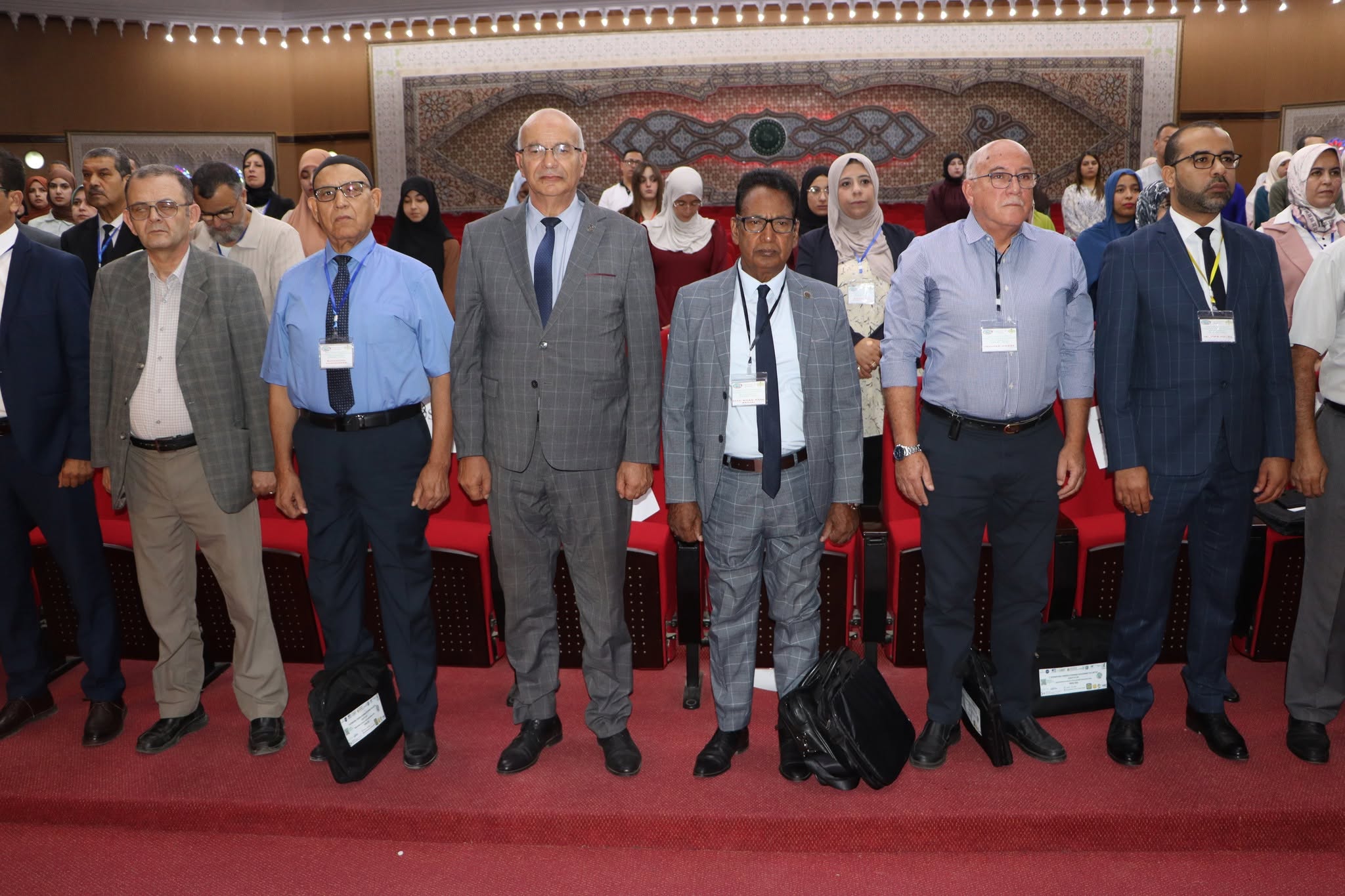
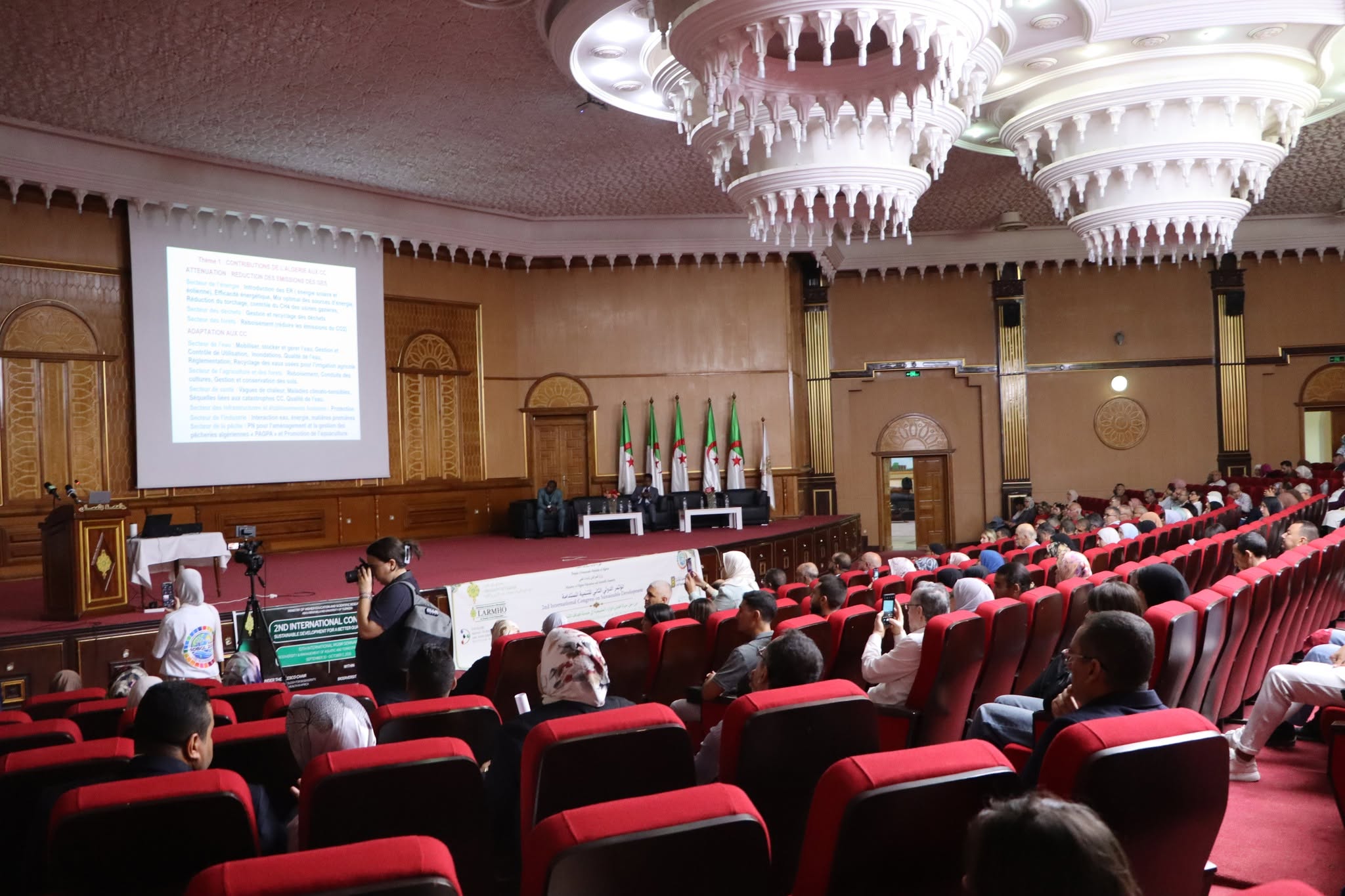
The Second International Conference on Sustainable Development for a Better Quality of Life, held under the theme “Natural Resources in the Service of the Sustainable Development Goals” (SDBQL 2026), opened on Wednesday, 30 September, at the auditorium of the Downtown University Campus in Tlemcen. Organised by Abou Bekr Belkaïd University, the conference will continue until Friday, 2 October.
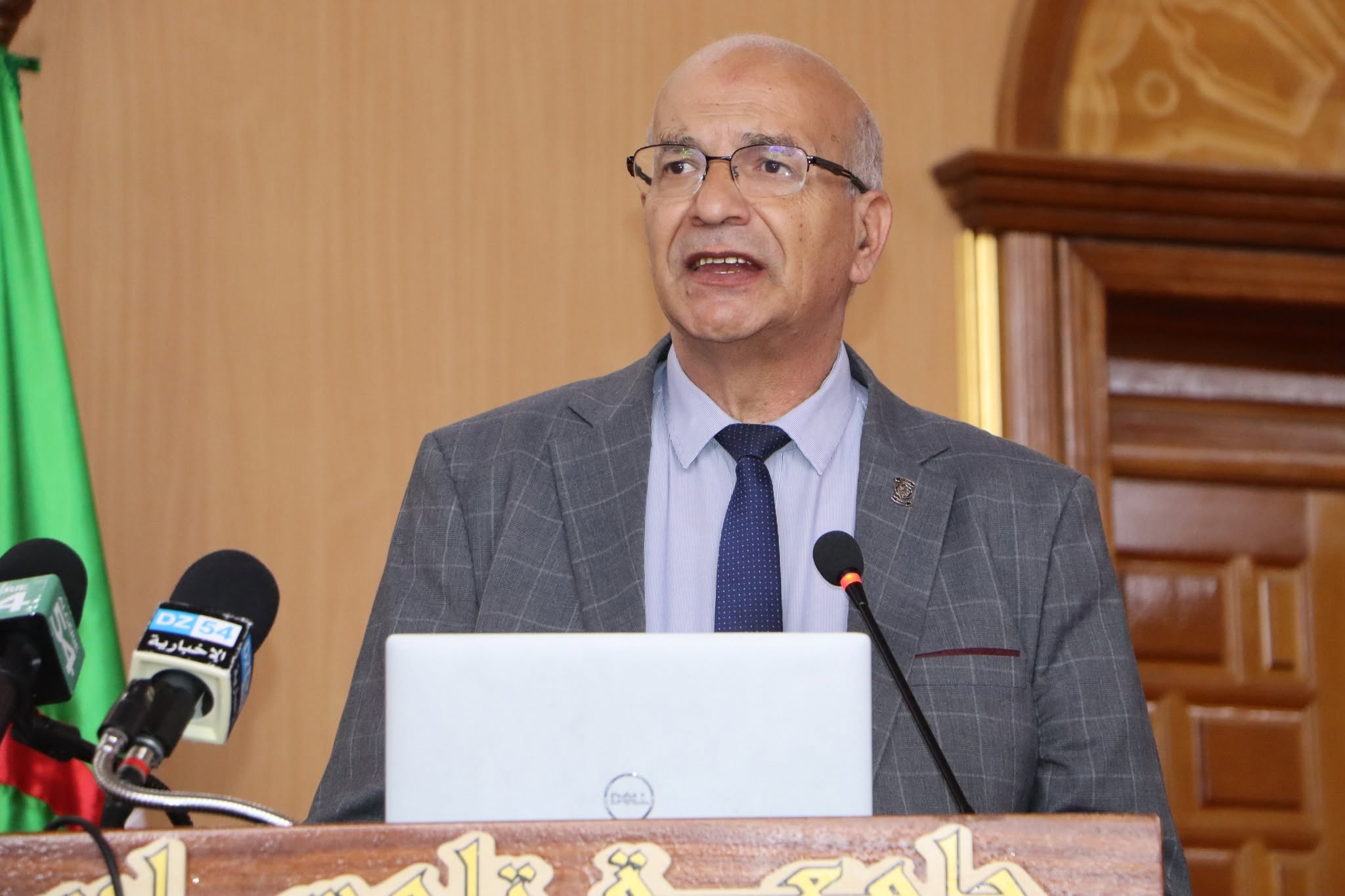
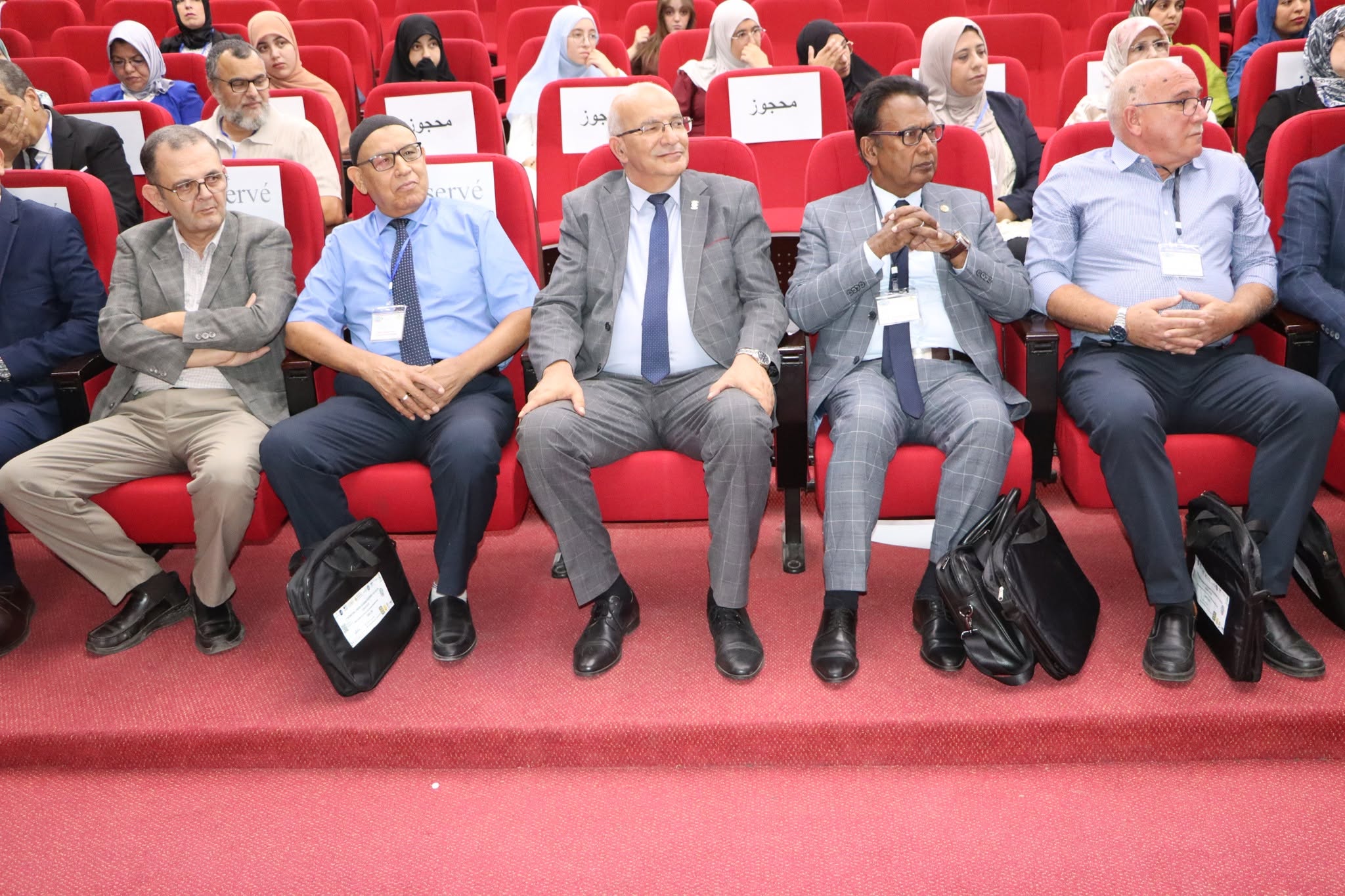
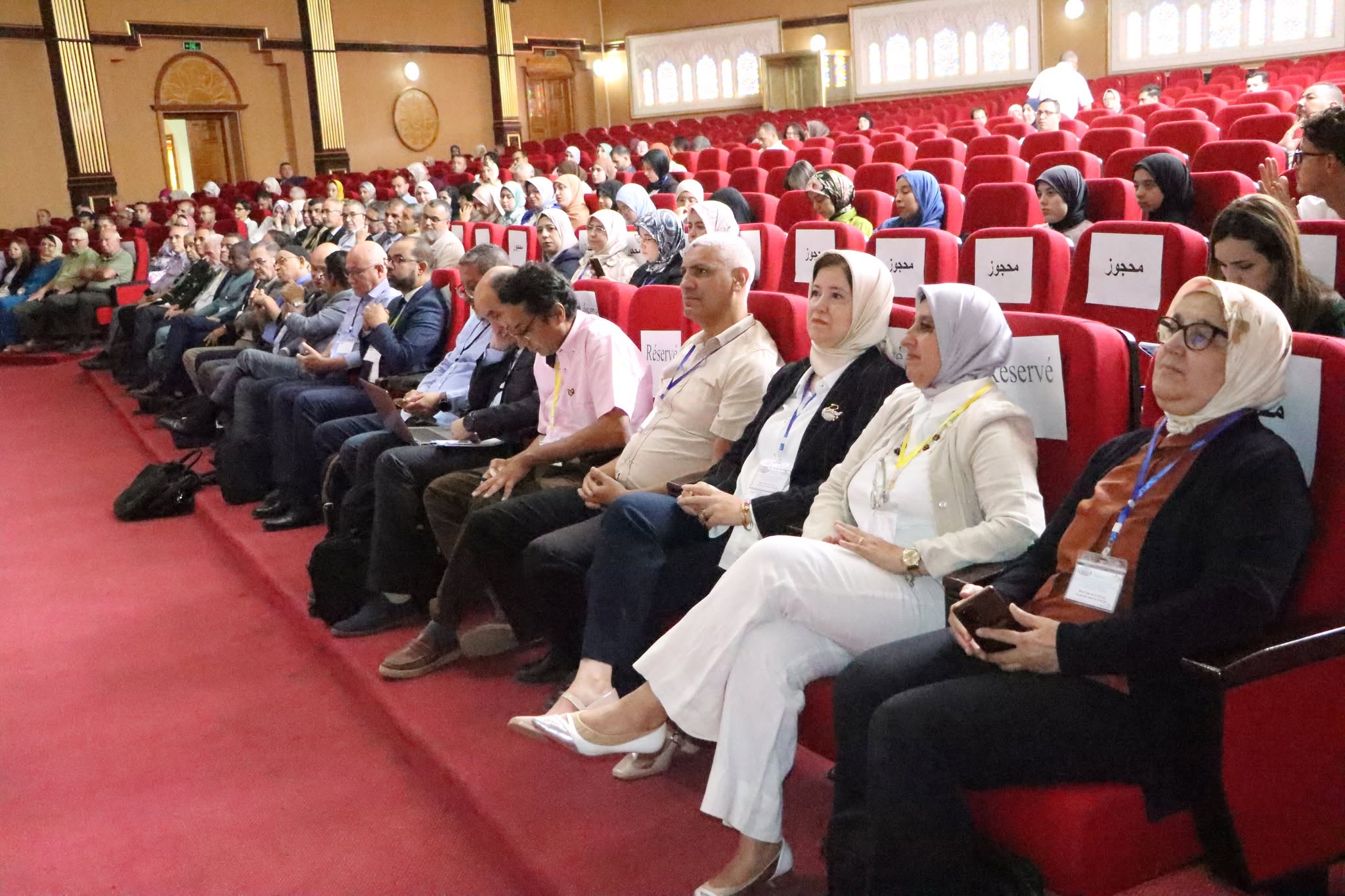
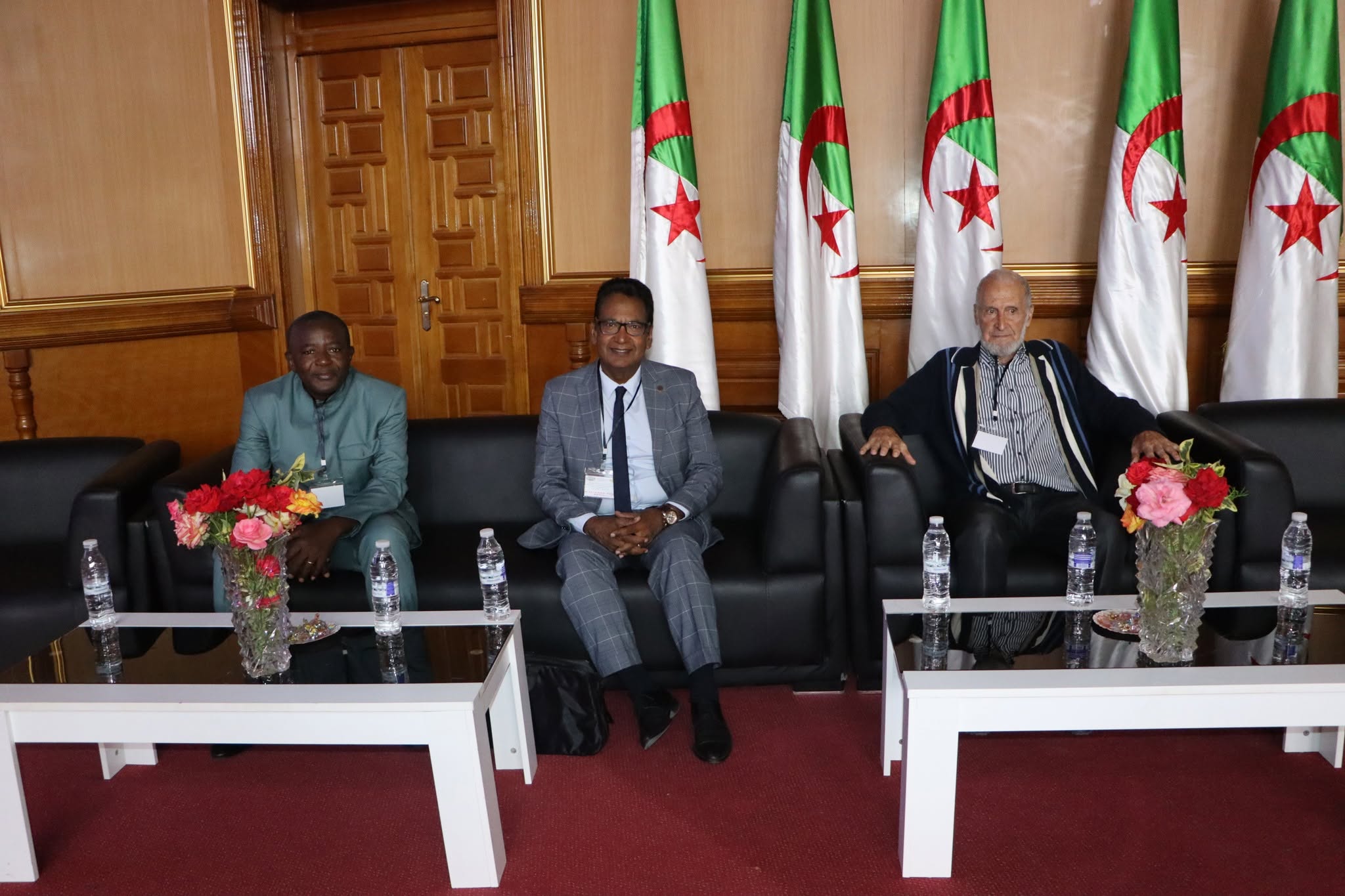
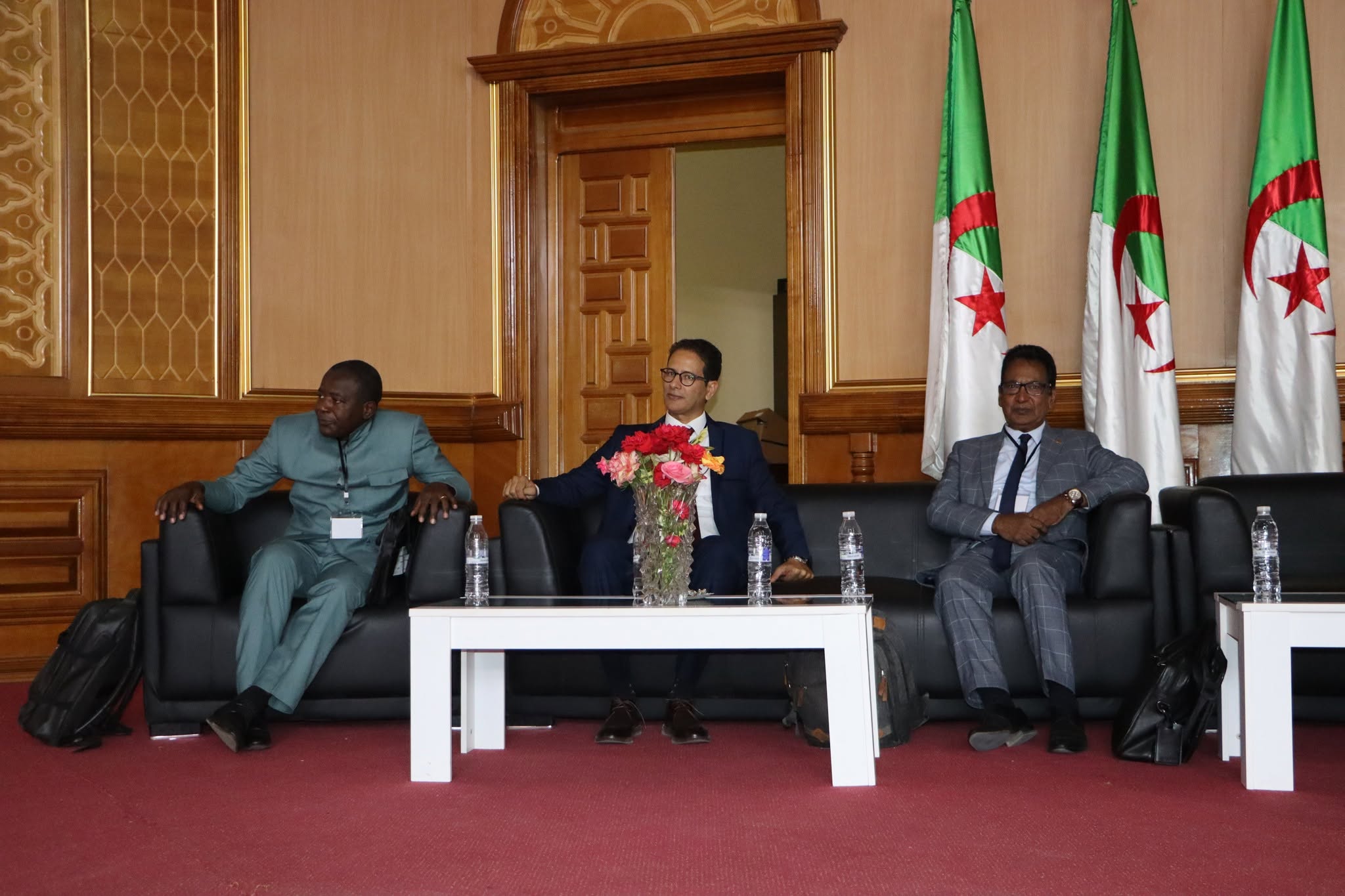
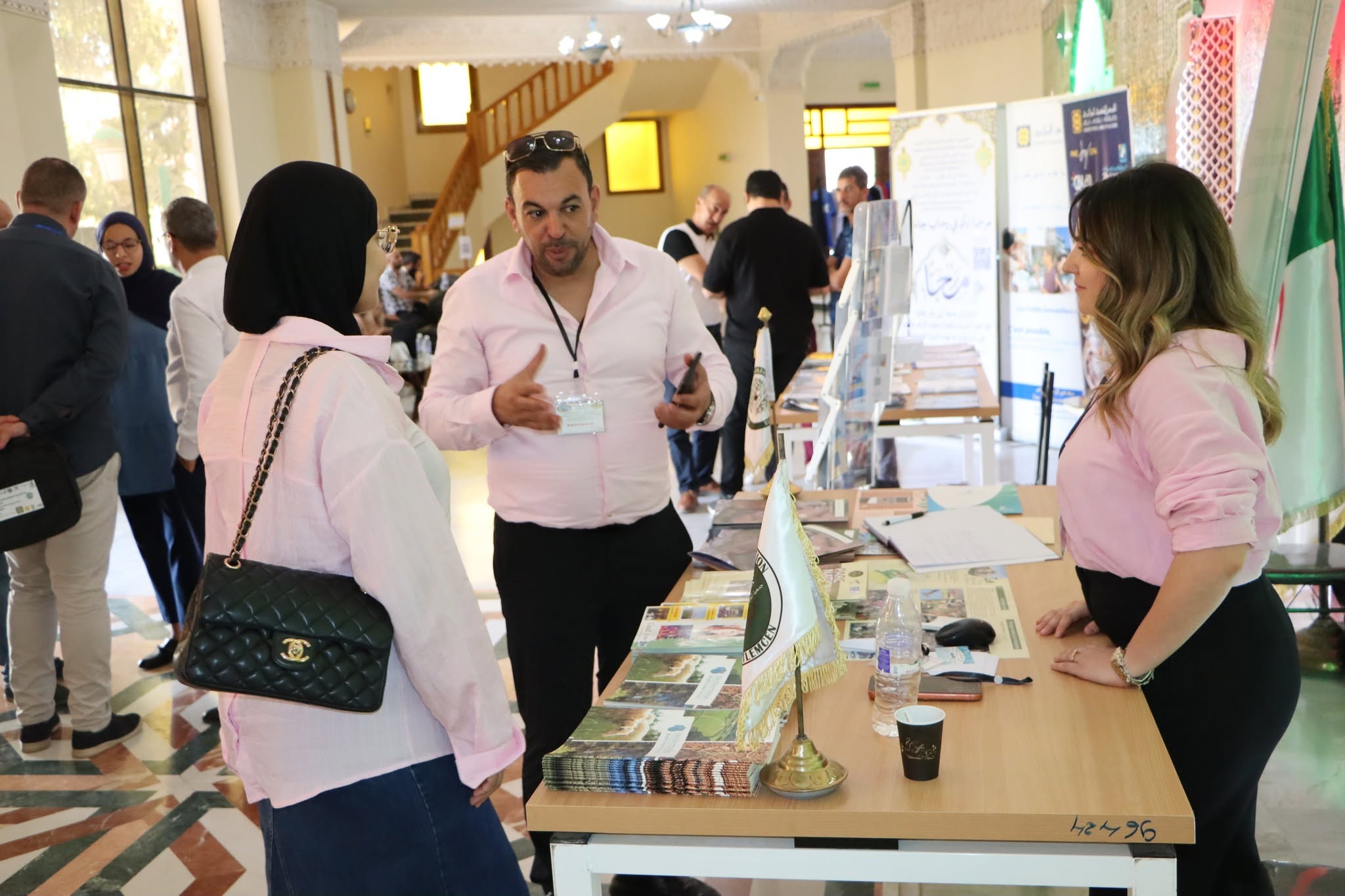
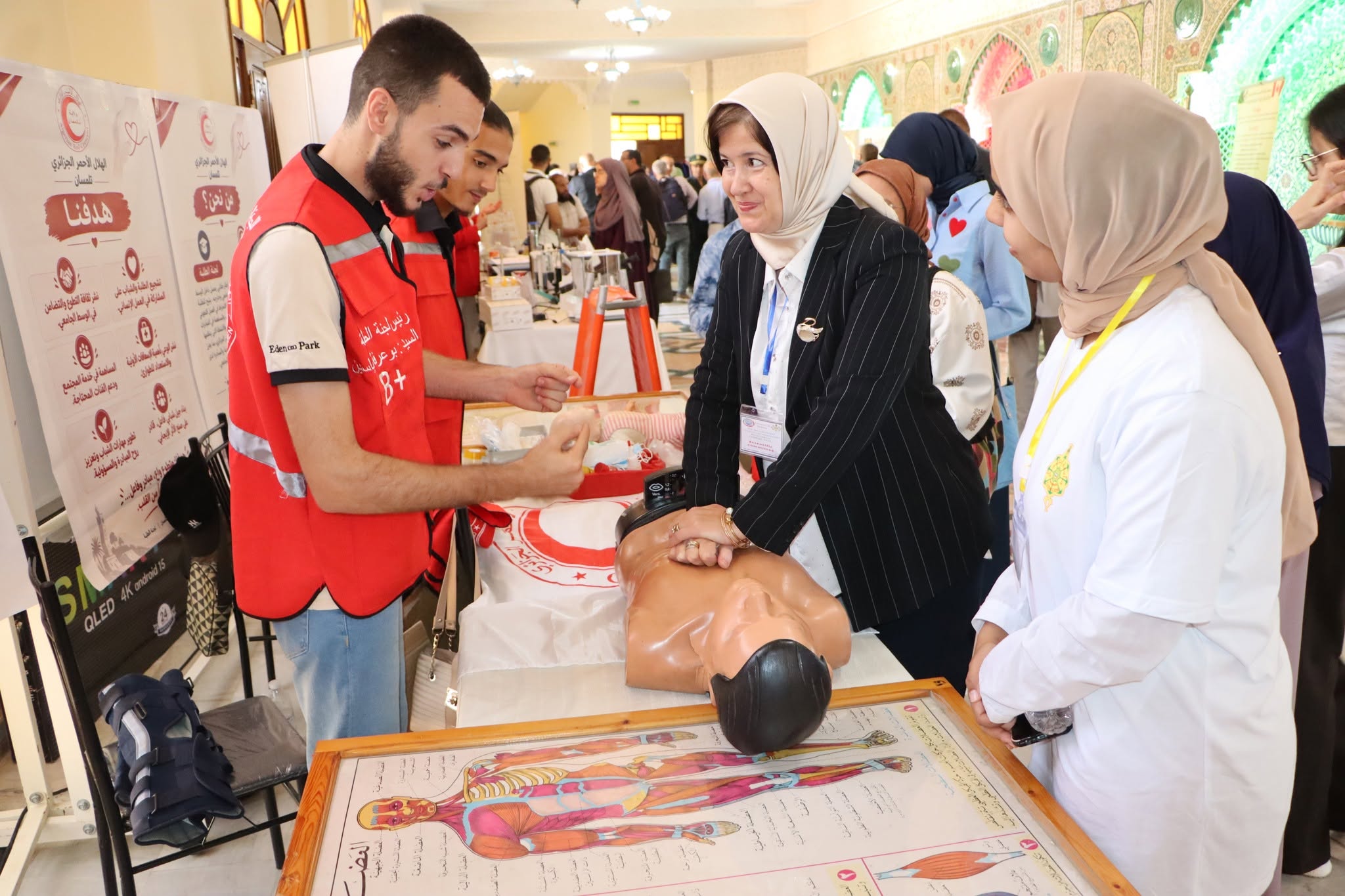
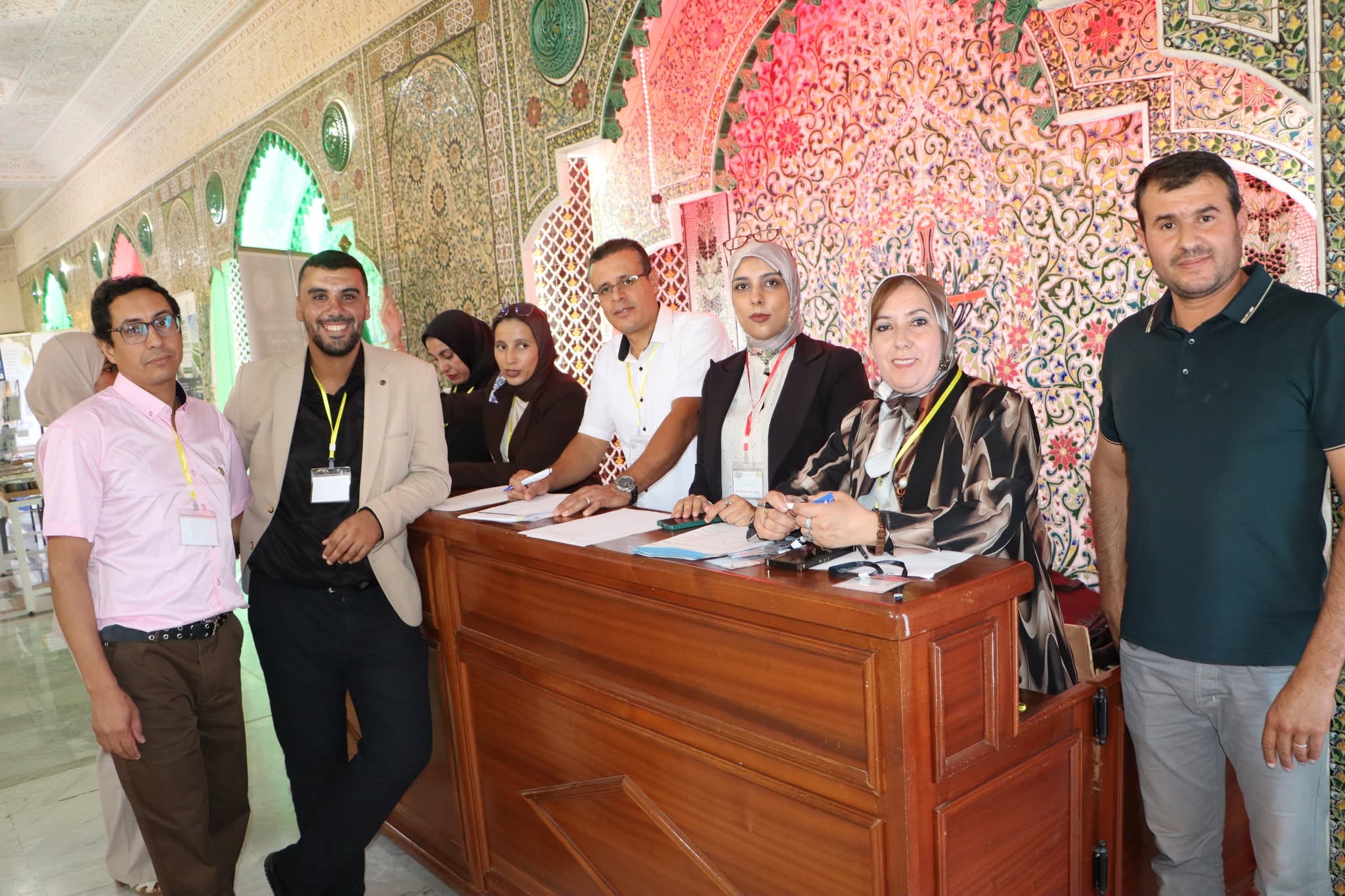
The opening ceremony was attended by the university’s Rector, Prof. Mourad Meghachou, the Vice-Rectors, faculty deans, as well as numerous national and international researchers, academics and experts, who participated either in person or remotely.
In his opening address, the Rector stressed the importance of the theme chosen for this second edition, particularly in view of the environmental, economic and social challenges facing the world. He highlighted, in particular, climate change, ecosystem degradation, the loss of biodiversity, as well as challenges related to food, water and energy security.
For her part, the President of the Conference and Dean of the Faculty of Natural and Life Sciences, Earth and Universe Sciences, Prof. Nassima Amel Soulaymane Mokhtari, recalled that the second edition follows on from the first edition, which was organised in 2024 by the Faculty of Economic, Commercial and Management Sciences.
The Dean of the Faculty of Economic, Commercial and Management Sciences, Prof. Fathi Benladghem, for his part, emphasised the need to strengthen complementarity between different scientific disciplines and approaches in order to better address the challenges of sustainable development. Meanwhile, the Chair of the Scientific Committee, Prof. Benamer Nahar, presented the main participation figures and outlined the conference programme.
The conference is taking place against an international backdrop marked by difficulties in implementing the 2030 Agenda. The discussions focus in particular on the slowdown in progress towards achieving the Sustainable Development Goals, the effects of global warming and the continued prevalence of food insecurity in several regions of the world.
At the heart of the discussions is a systems-thinking approach that views water, energy, food, land and materials as interconnected resources. Participants are therefore examining the concept of the “resource nexus”, as well as the contribution of green innovation and digital technologies, particularly artificial intelligence, to improving natural resource management.
The security of mineral supplies is also an important focus of the conference, given their role in the energy transition and digital transformation. Issues of social justice and governance related to the exploitation and distribution of natural resources are likewise central to the discussions.
The conference also adopts a regenerative systems-design approach, which seeks not only to reduce environmental impacts but also to restore natural cycles and ecosystems. Sustainable agriculture, water and energy management, waste recovery and soil restoration are among the areas being examined.
Over the three-day conference, presentations and workshops are organised around six main themes: sustainable agriculture and food security; bioenergy and renewable energy; biodiversity and ecosystem management; climate action; health and well-being; and economic and social partnerships.
It is worth recalling that the first edition, held on 26 and 27 June 2024 at the Andalusian Studies Centre in Tlemcen, brought together 169 participants from more than 20 countries.
Through this second edition, Abou Bekr Belkaïd University seeks to consolidate this platform for dialogue and exchange among researchers, experts, decision-makers, civil society representatives and private-sector stakeholders on the challenges of sustainable development and the prospects for the post-2030 agenda.
 |
 |
 |
 |
 |
 |
 |
 |
 |
 |
 |
 |
 |
 |
 |
 |
 |
 |