

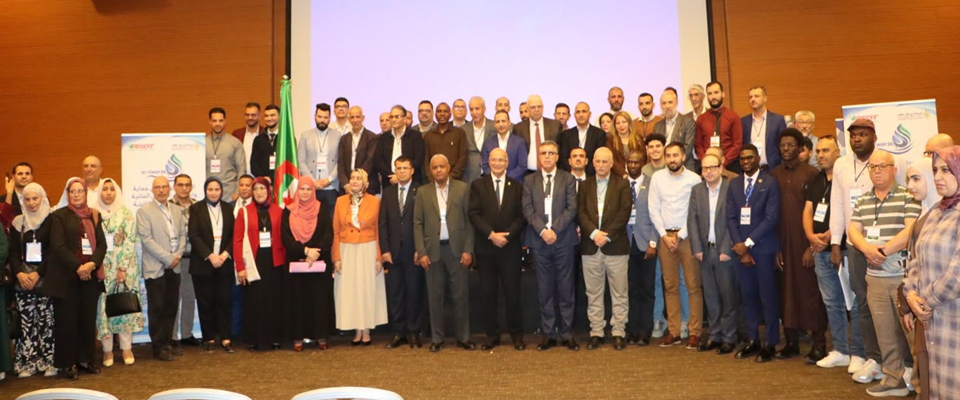


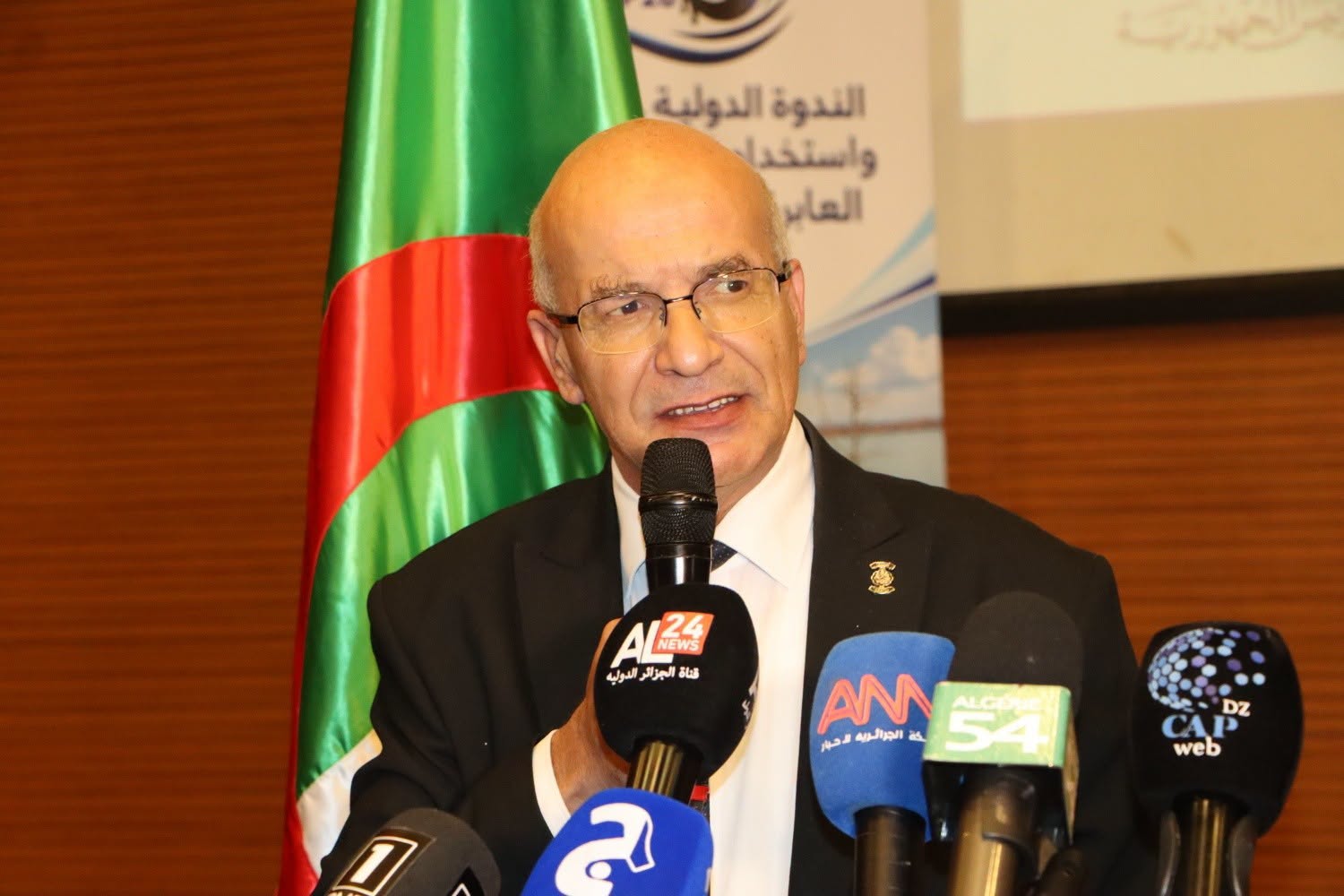
The International Conference on the protection of transboundary watercourses and the prevention of environmental pollution (IC-TWEP 2026) concluded its proceedings on Thursday, 29 October 2026, following four days of fruitful scientific discussions, knowledge exchange and experience sharing, with a focus on safeguarding water resources and addressing pressing environmental challenges.
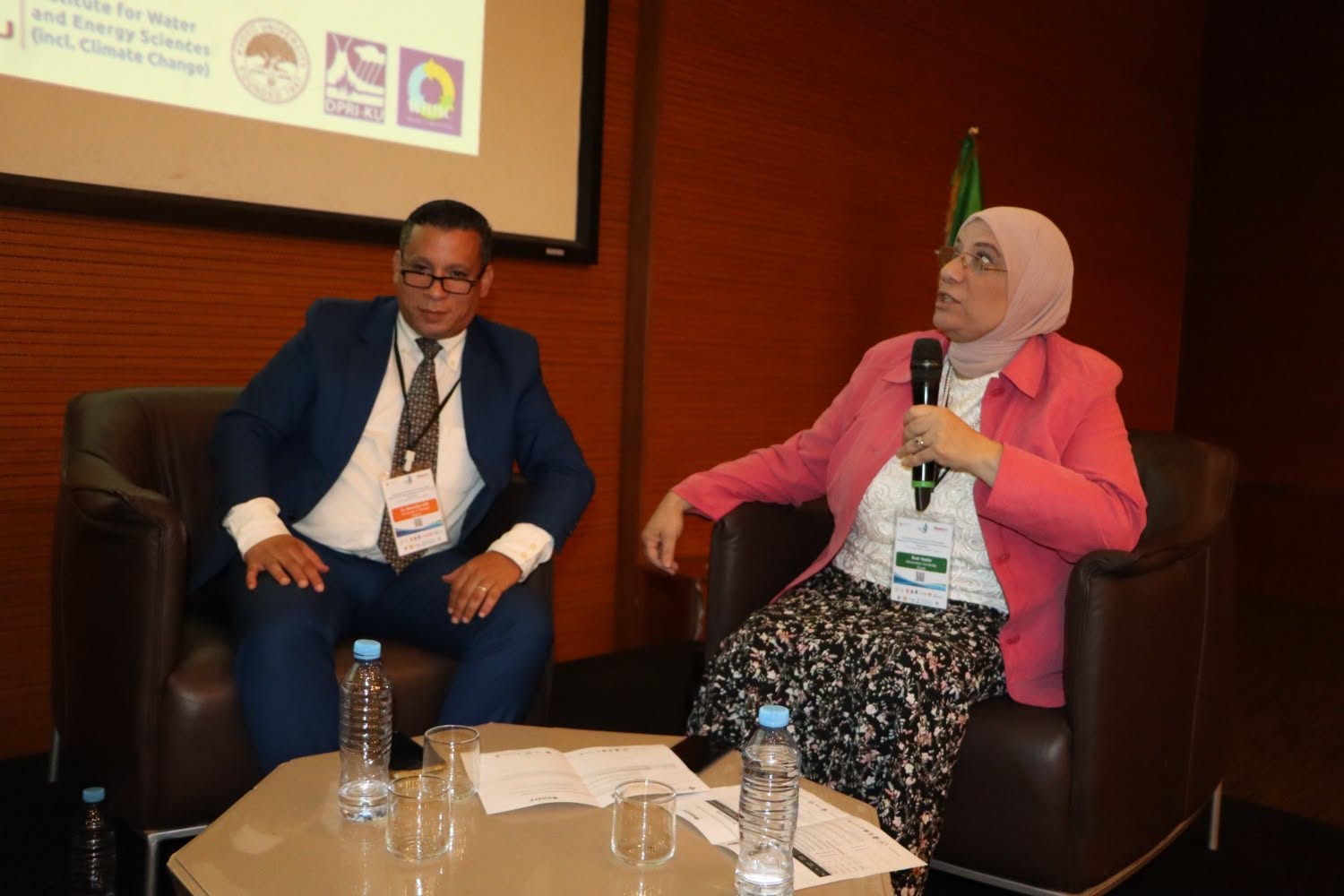
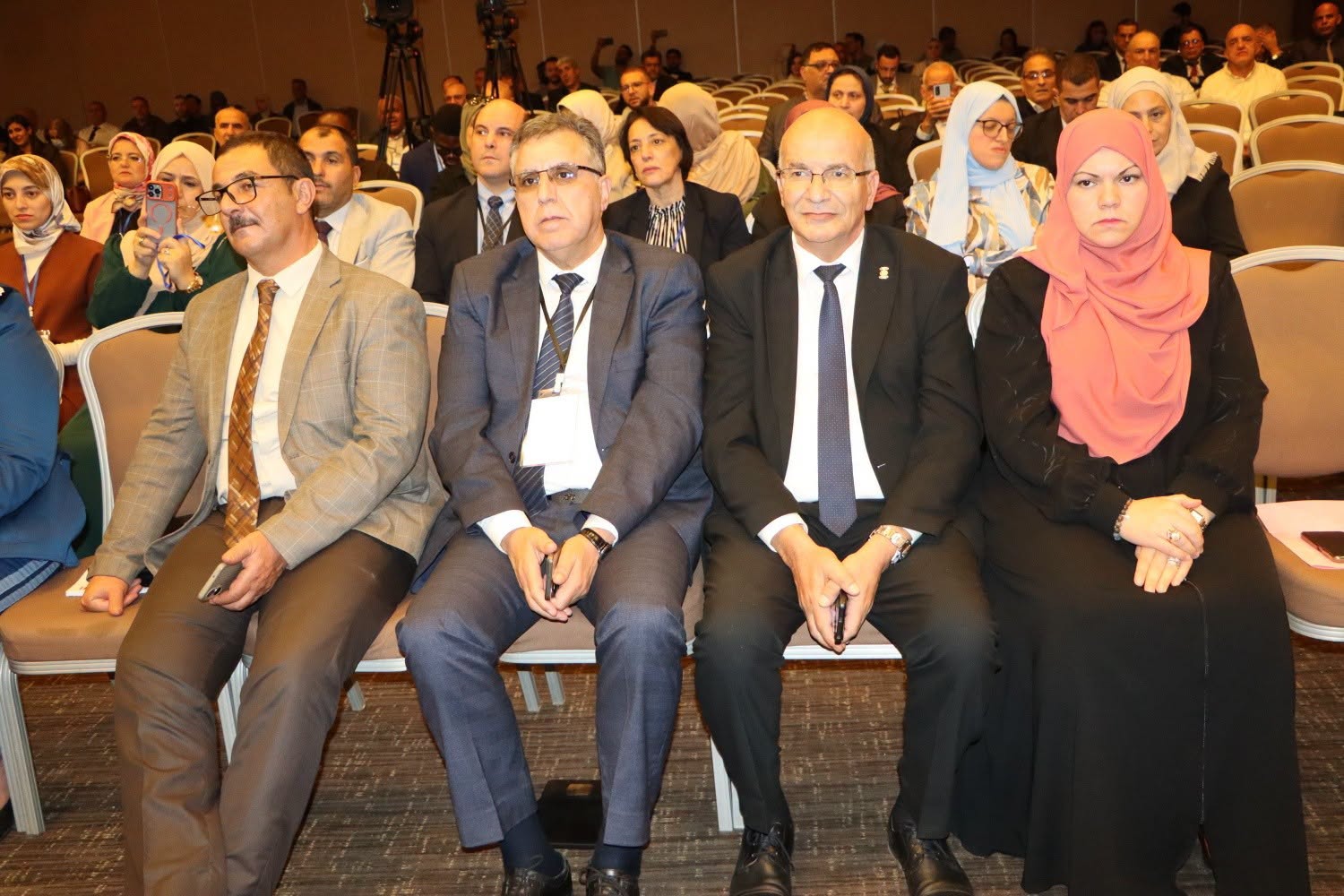
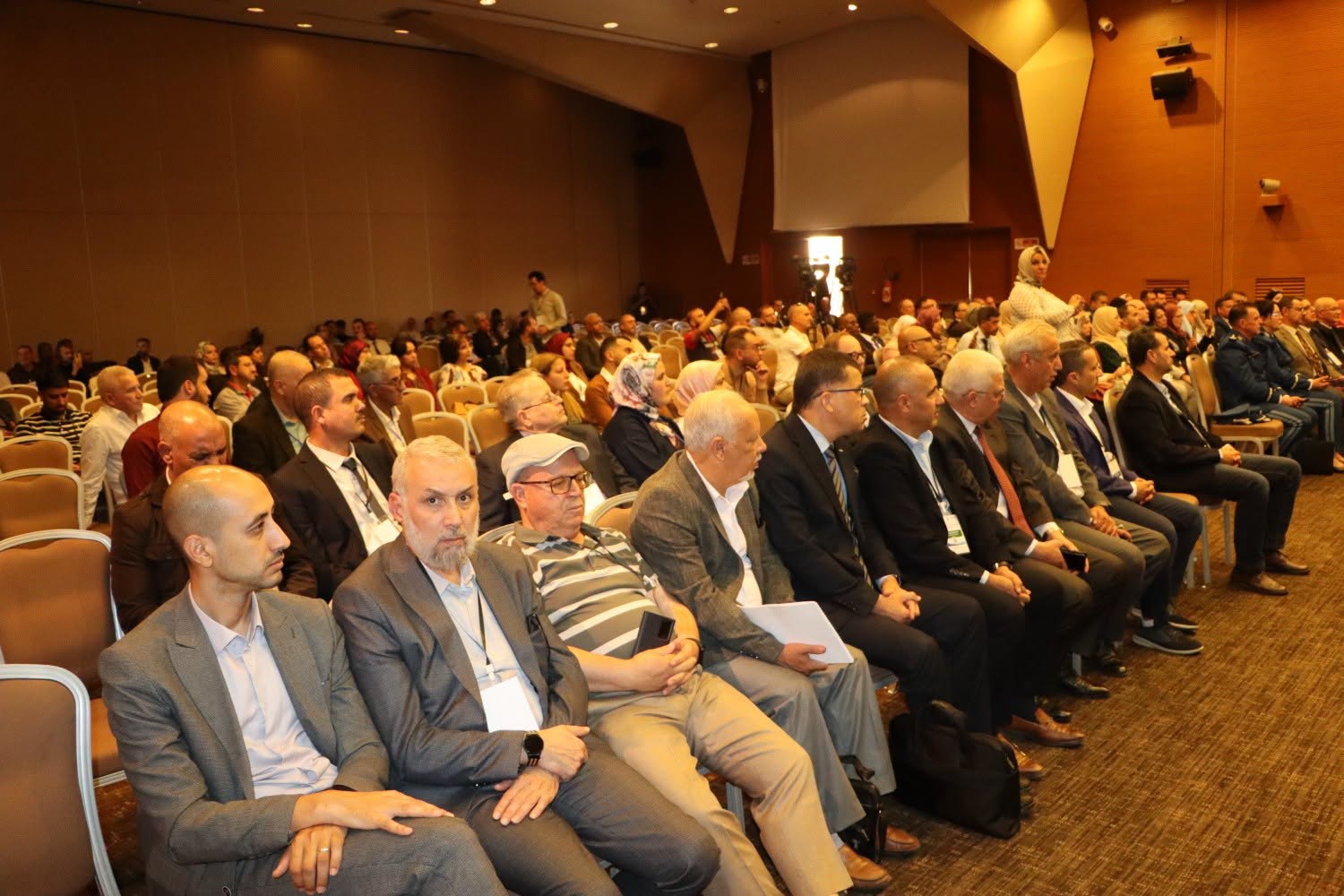
The final morning featured a plenary session addressing key issues, including academic and international cooperation in science and innovation, the role of universities in protecting watercourses and promoting environmental sustainability, and interdisciplinary perspectives on the relationship between human societies and groundwater resources. Advanced membrane technologies for the treatment of highly saline water were also among the topics discussed.
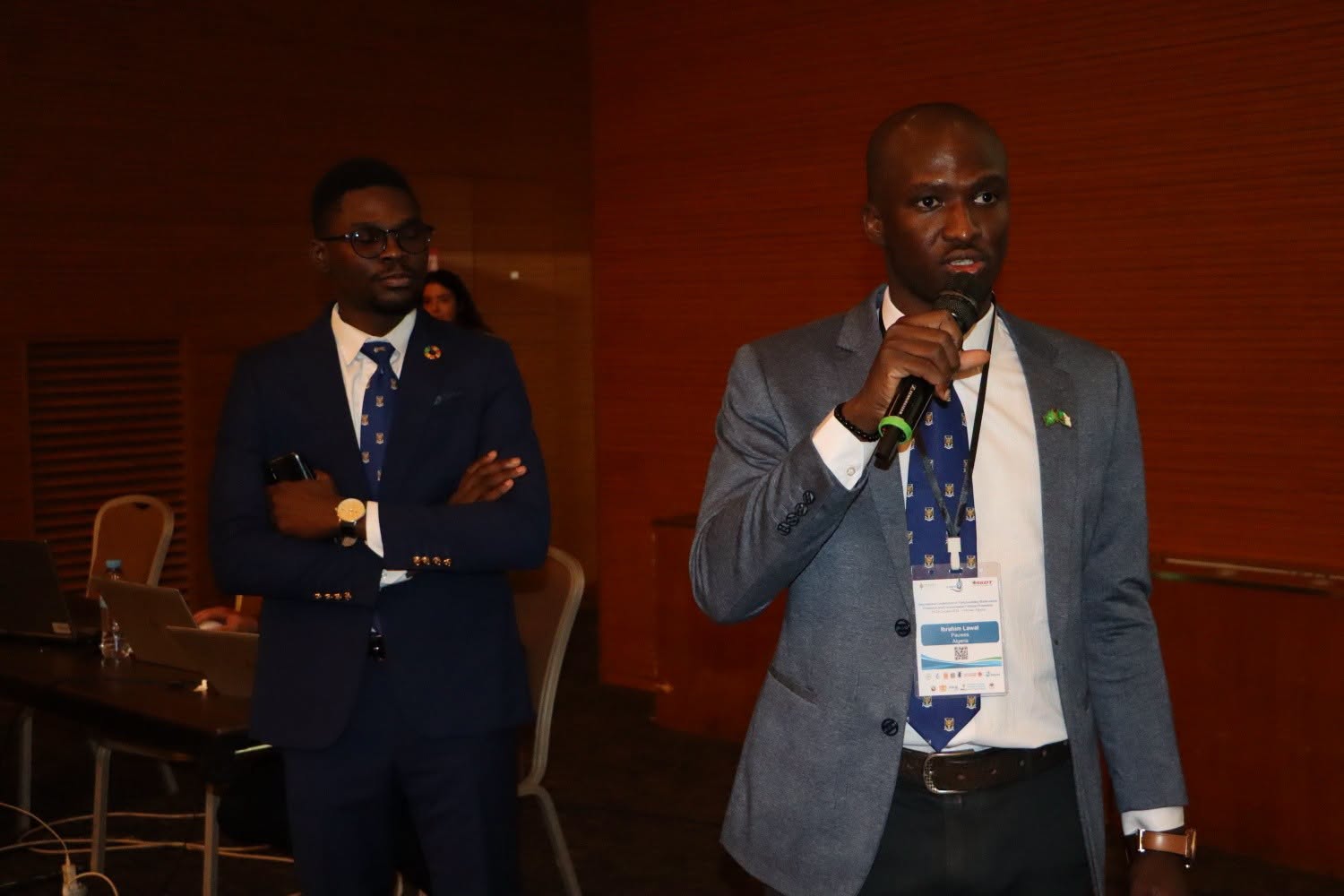
Two parallel scientific sessions followed, highlighting innovative research approaches, particularly the use of artificial intelligence and satellite remote sensing to monitor water quality, forecast flash floods and improve wastewater treatment processes.
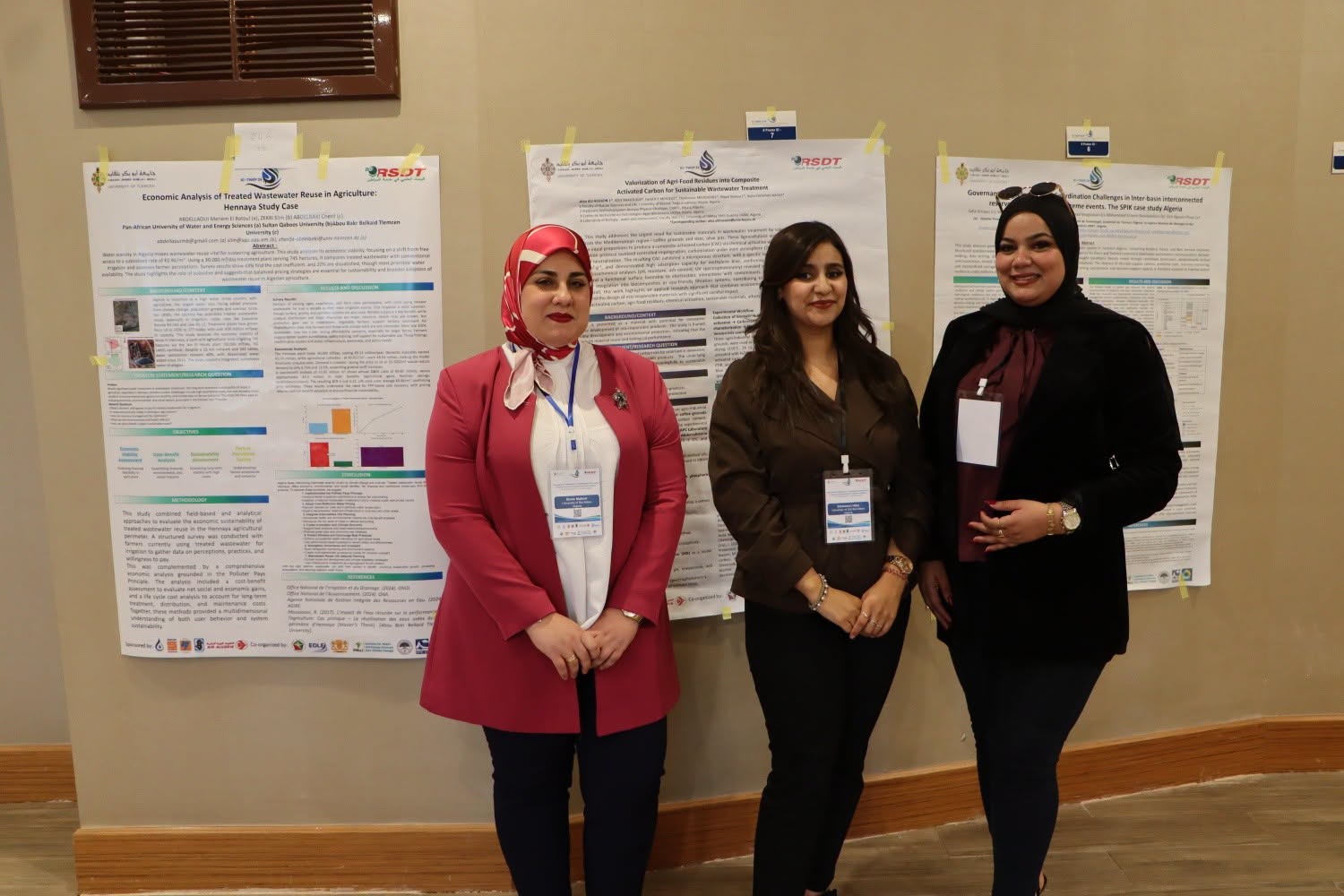
Further presentations explored treated wastewater reuse, the water-energy-food nexus, transboundary basin governance, citizen engagement in participatory science, and strategies to reduce water consumption in data centre cooling systems amid the challenges posed by climate change.
The conference concluded with a closing session dedicated to presenting key recommendations and exploring future avenues for cooperation. The official closing was followed by a sightseeing tour organised for the participants.
Beyond the scientific contributions, IC-TWEP 2026 provided a valuable platform for dialogue, knowledge sharing and collaboration among researchers and experts. The event underscored the vital role of scientific research and innovation in safeguarding water resources, while reaffirming the importance of strengthened cooperation in addressing environmental challenges and ensuring water security for future generations.
 |
 |
 |
 |
 |
 |
 |
 |
 |
 |
 |
 |