
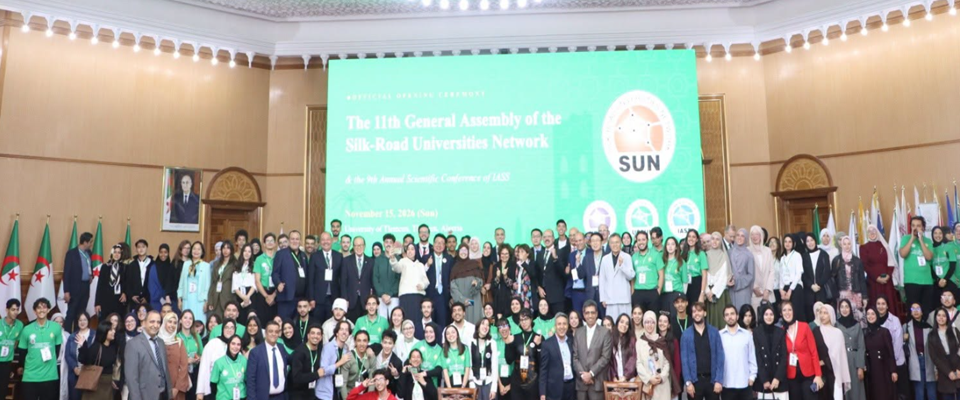


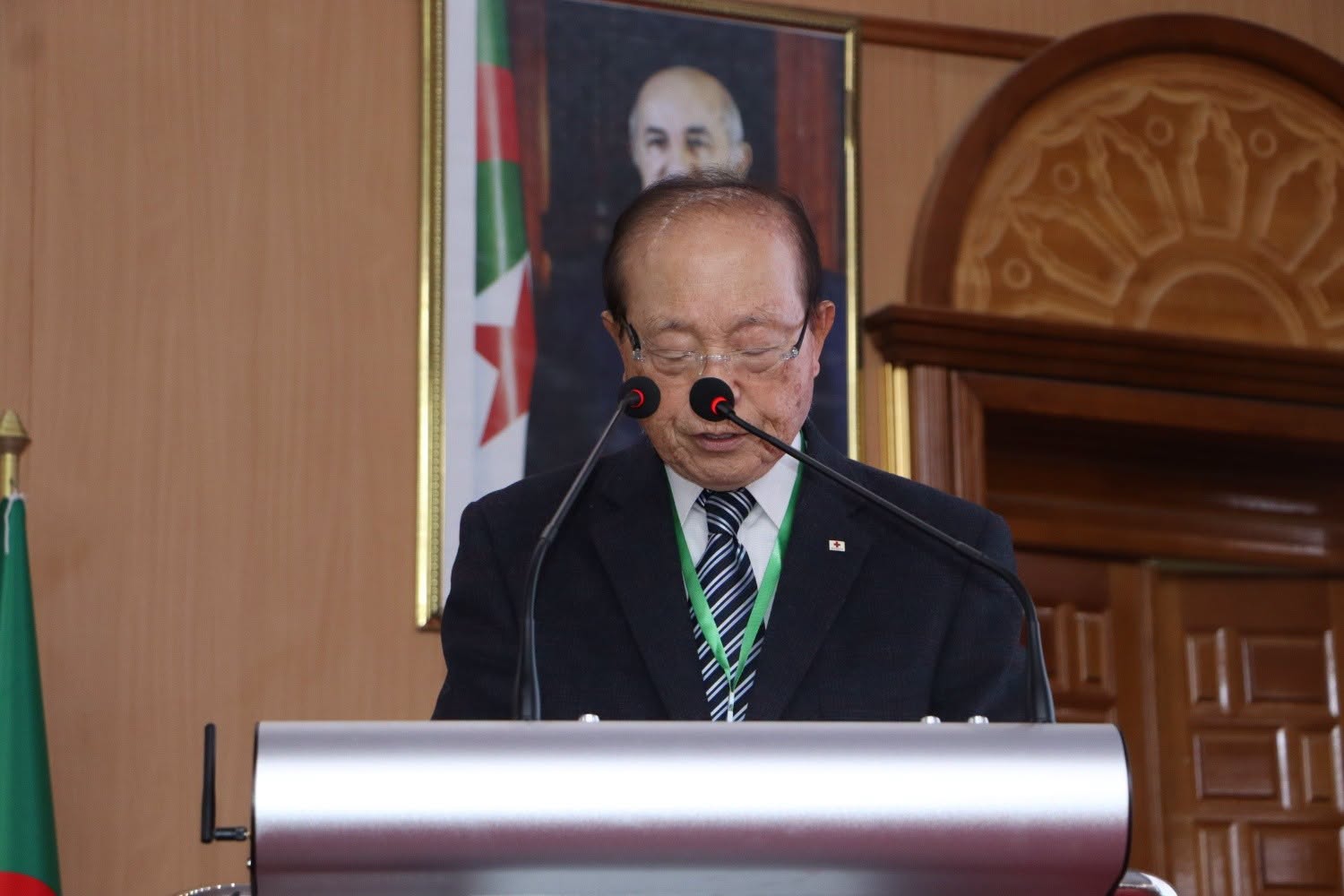
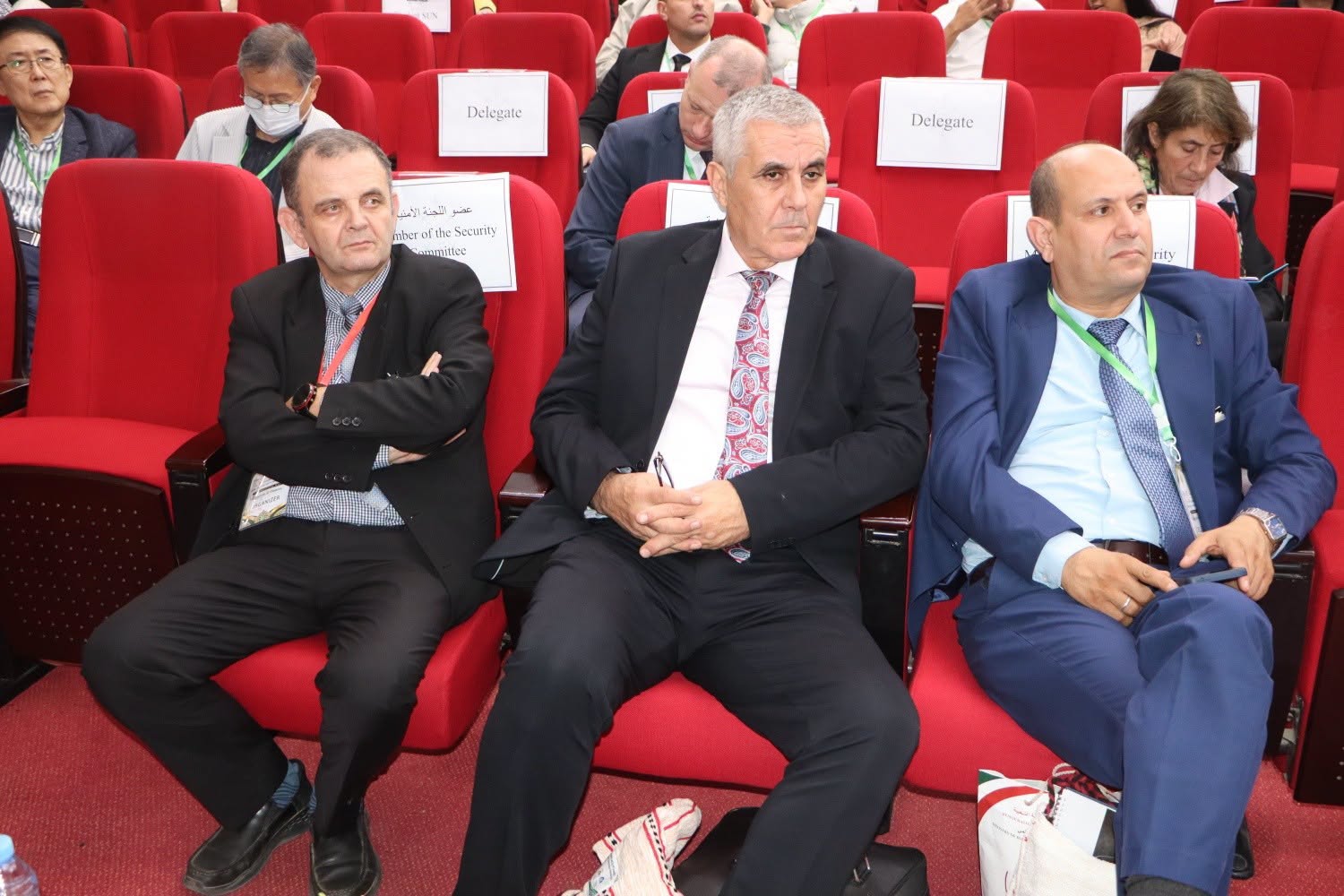
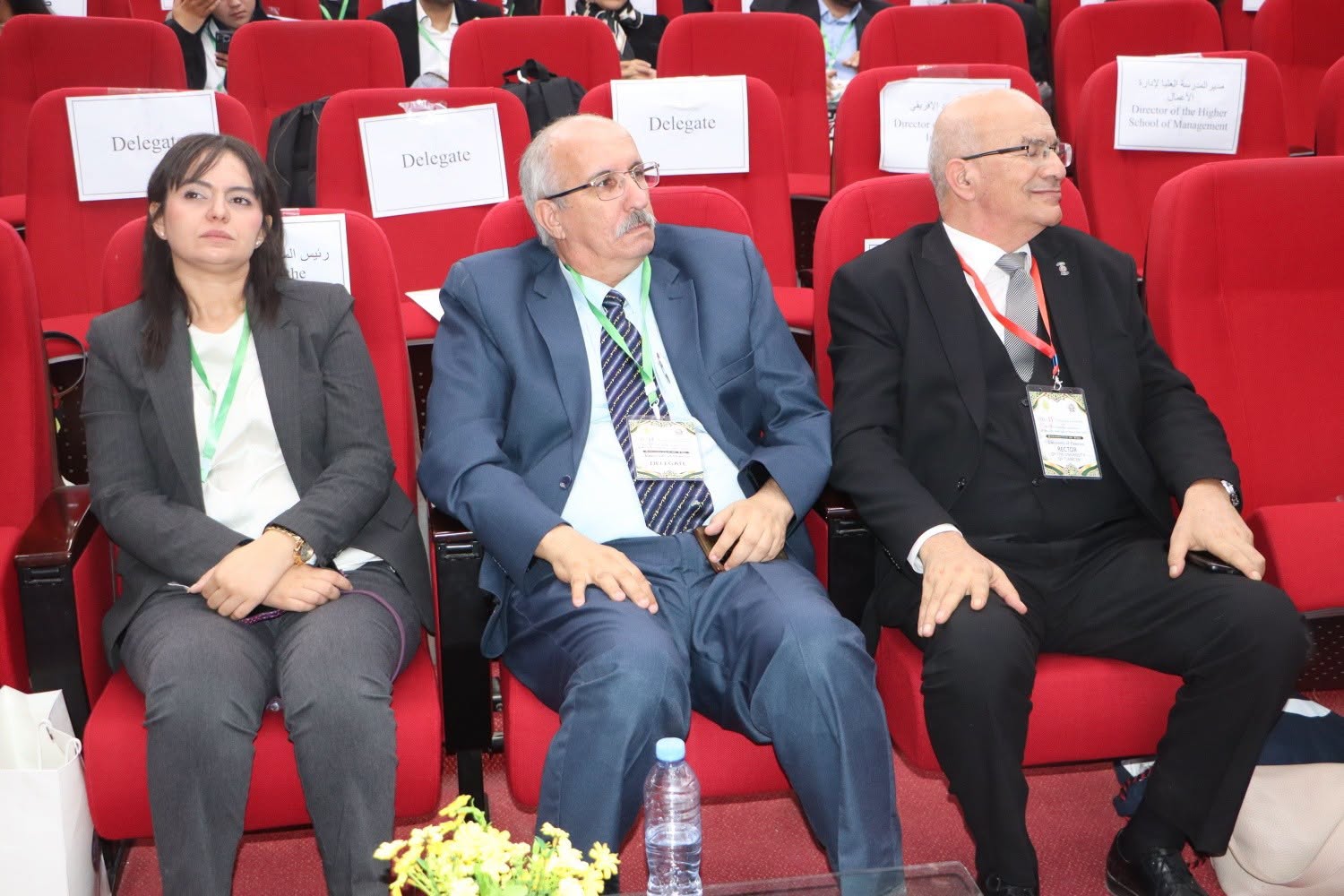
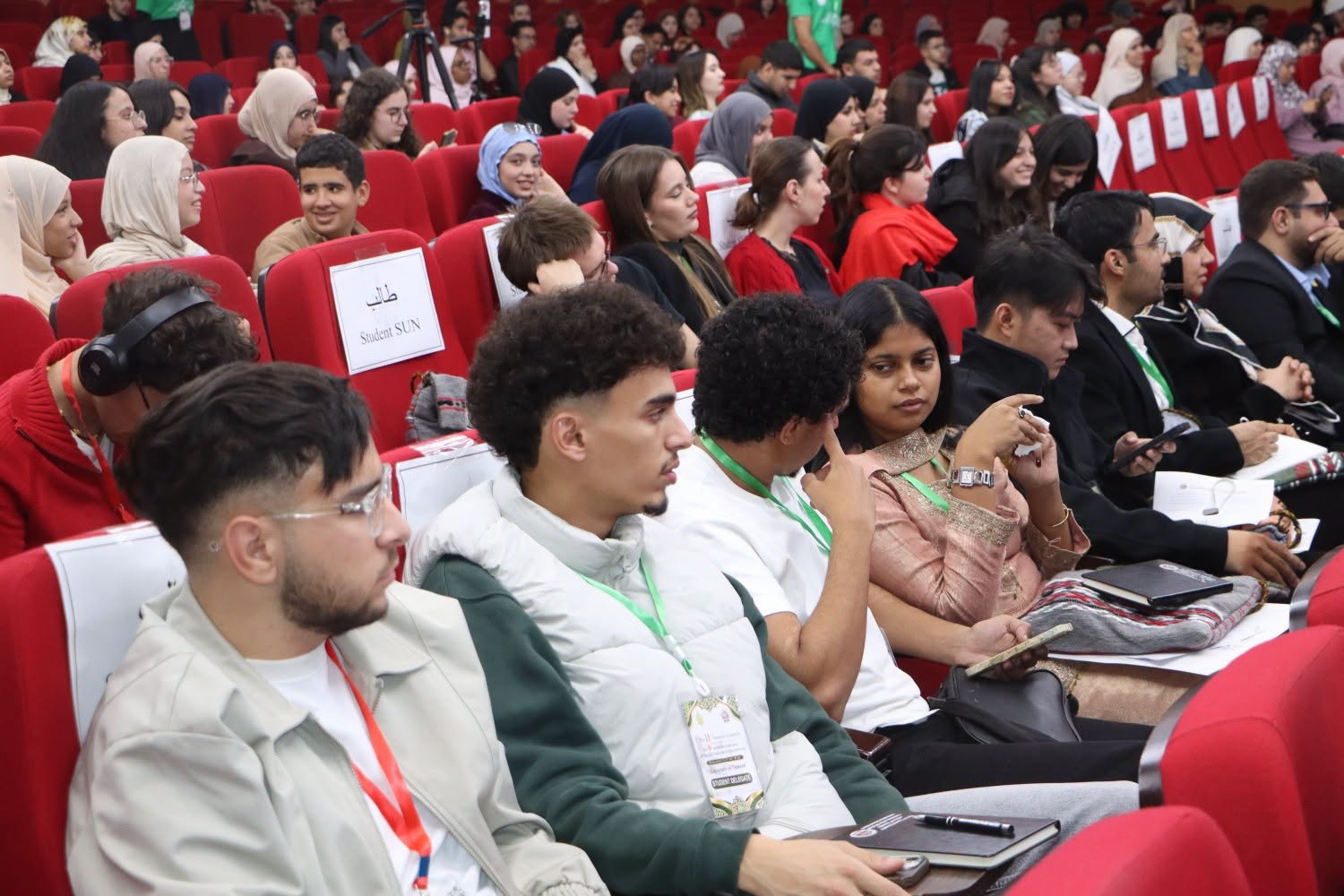
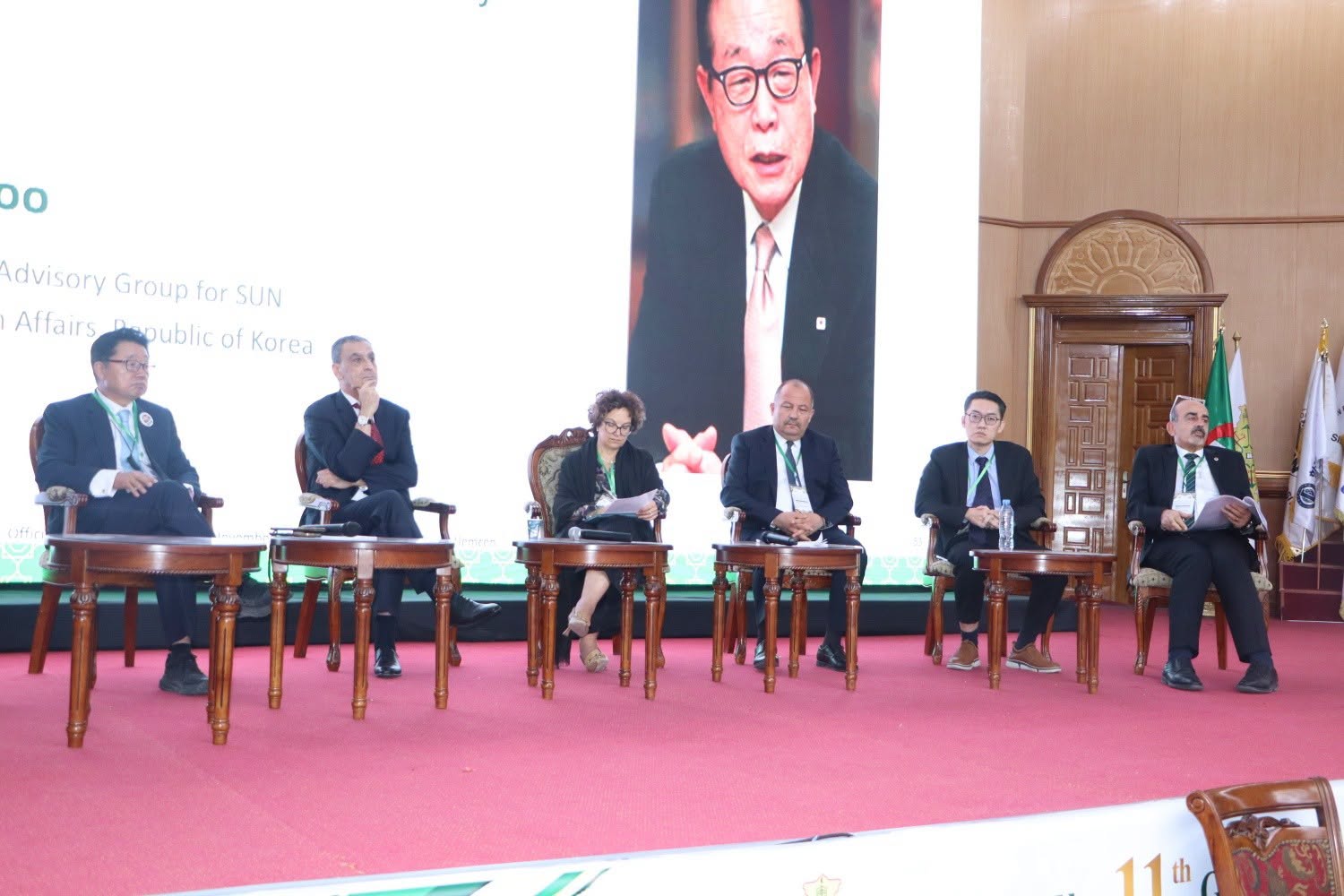
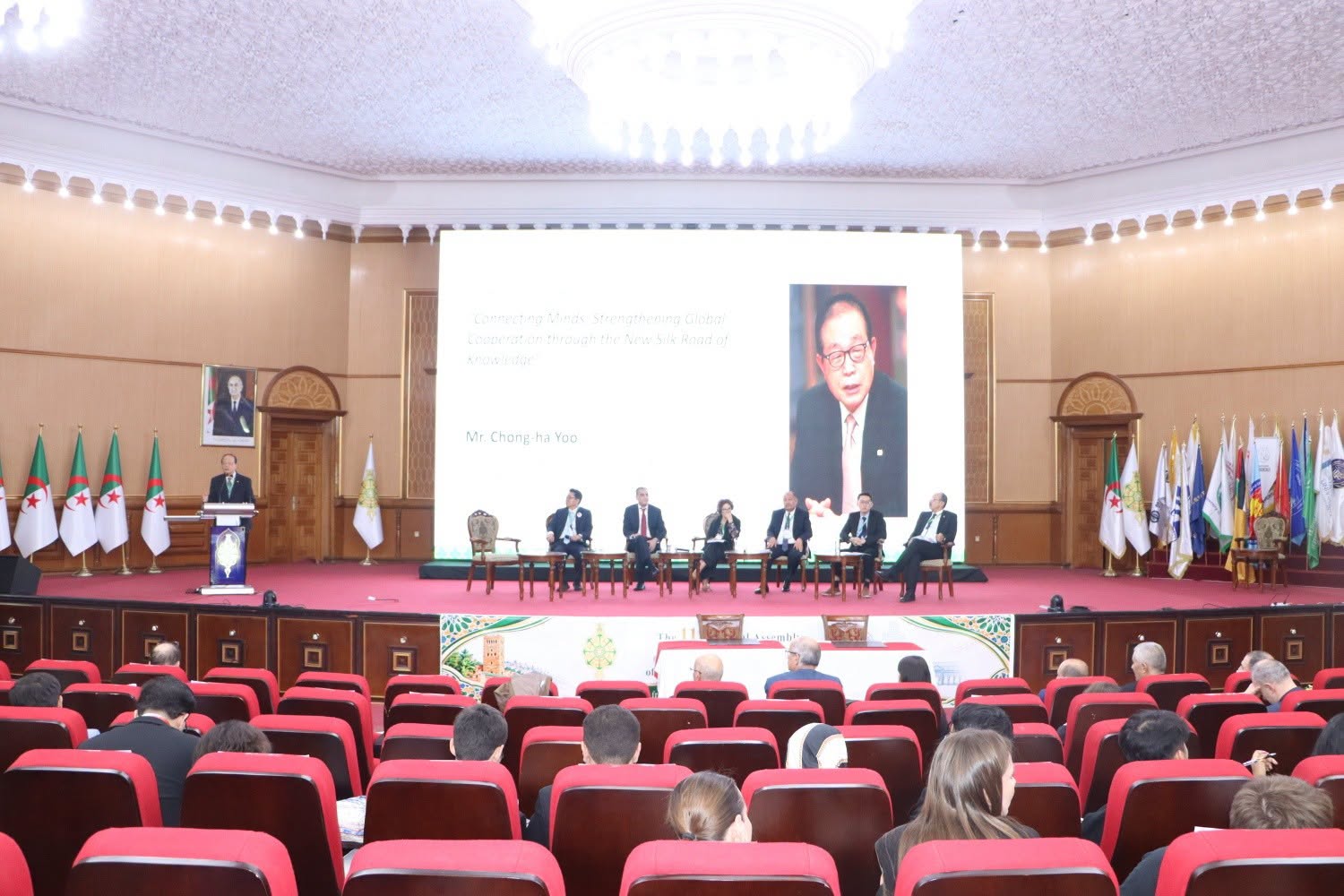
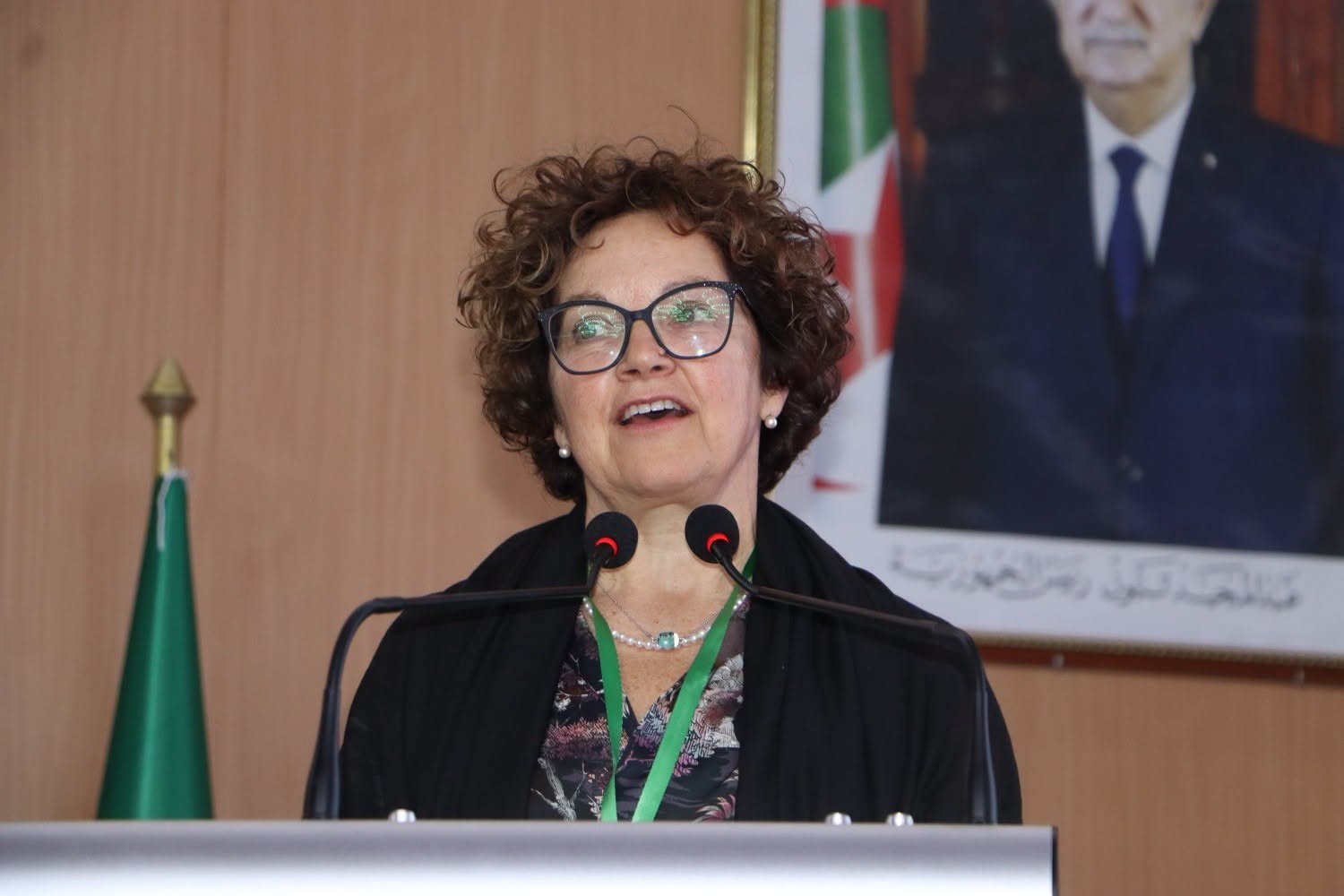
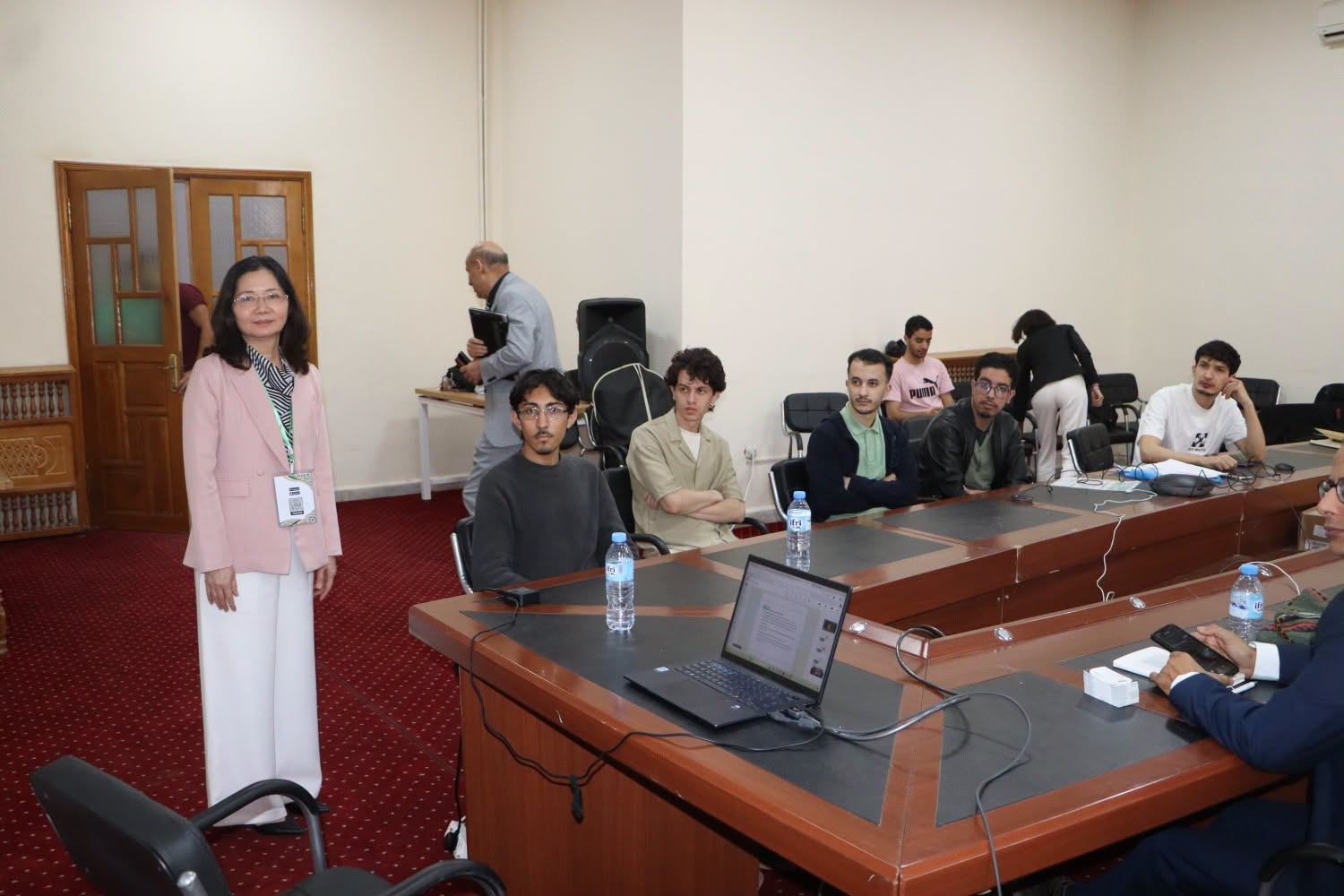
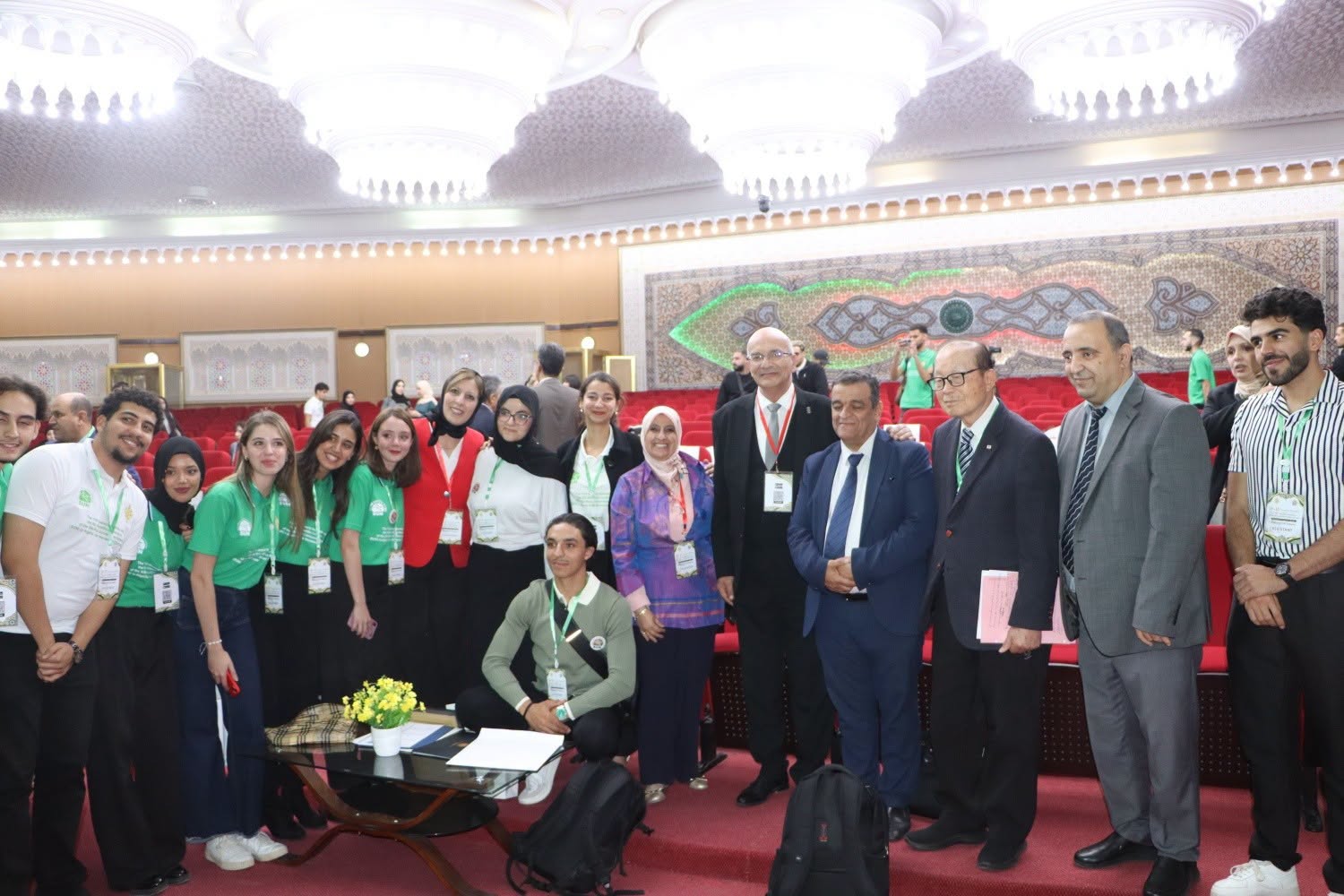
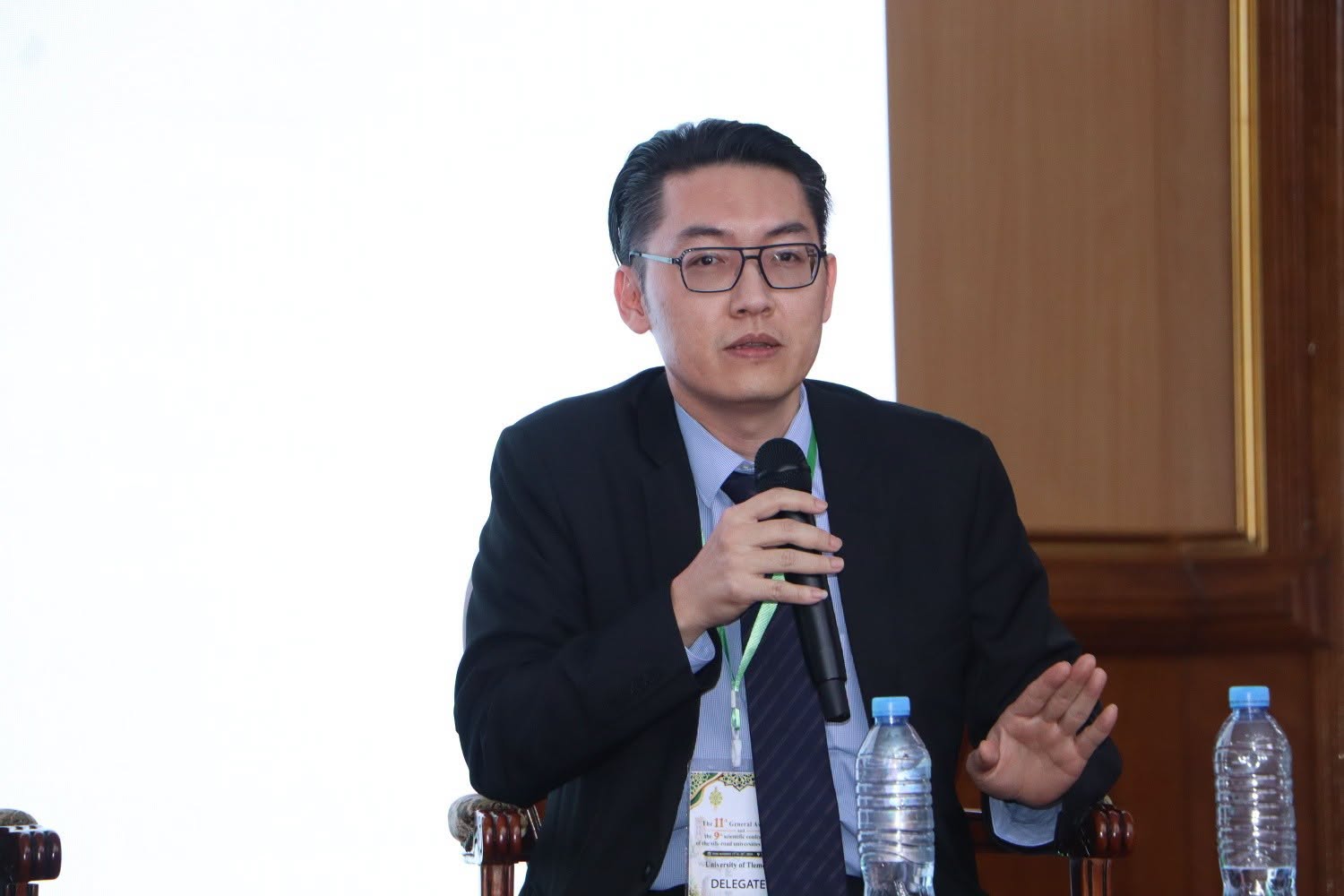
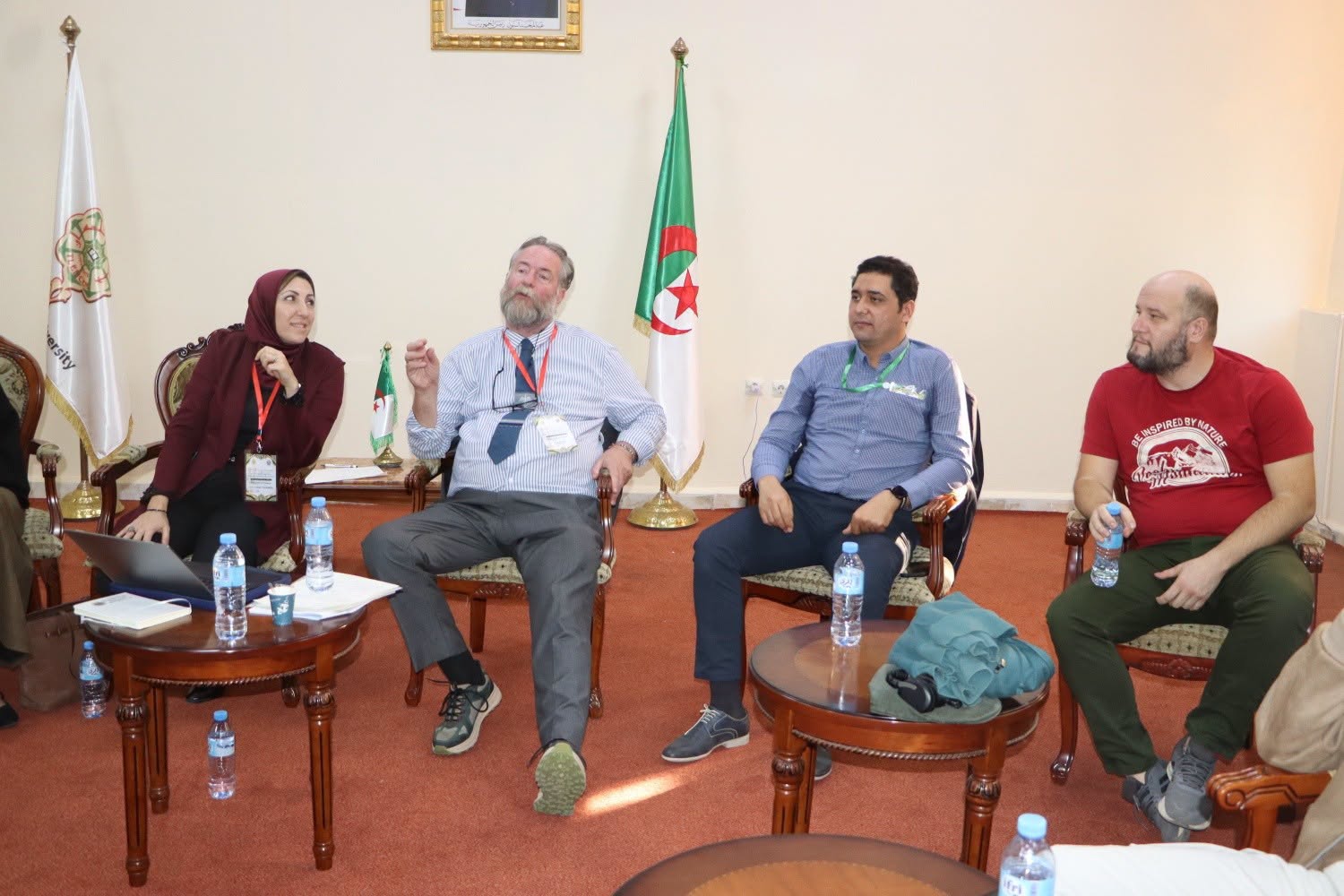
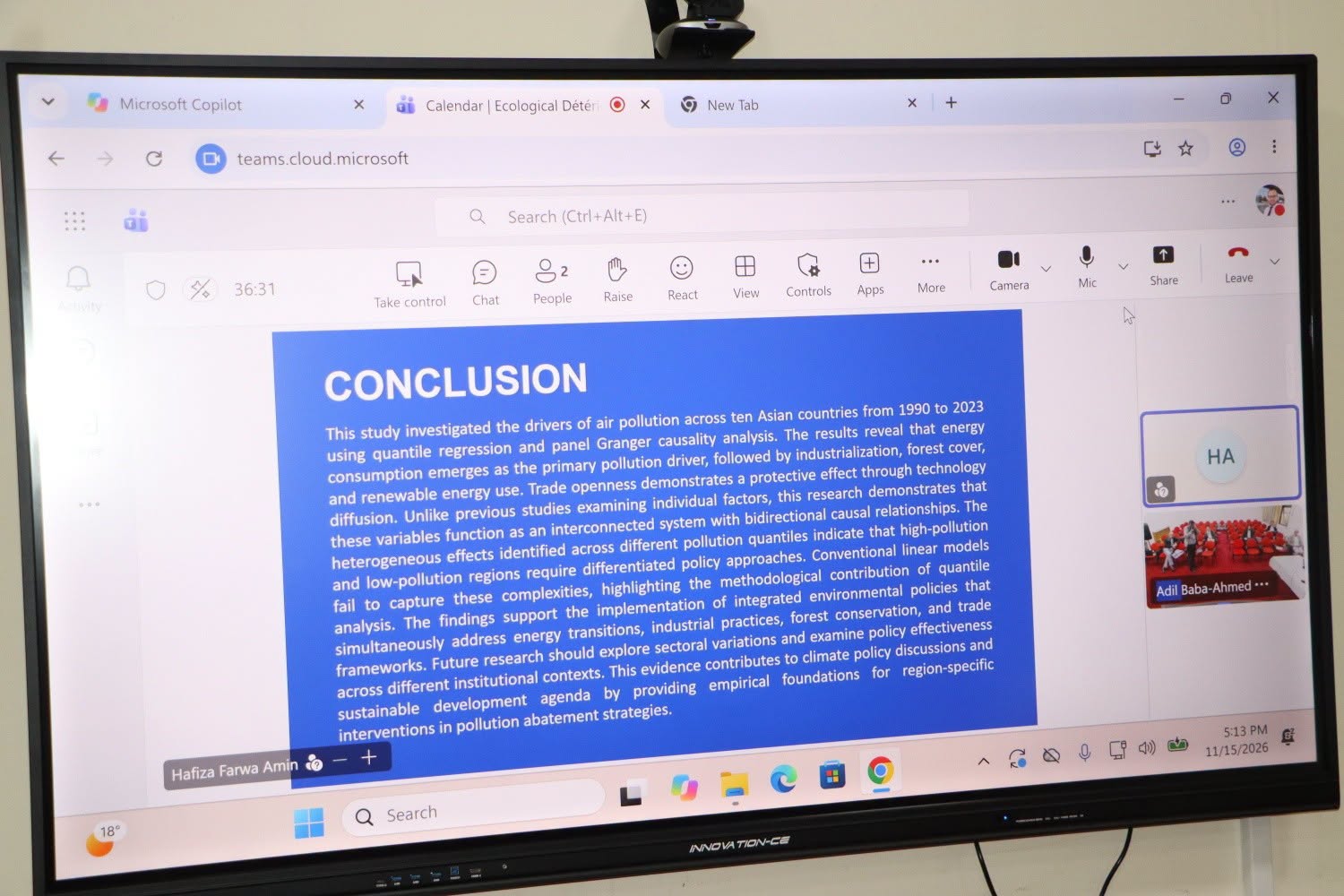
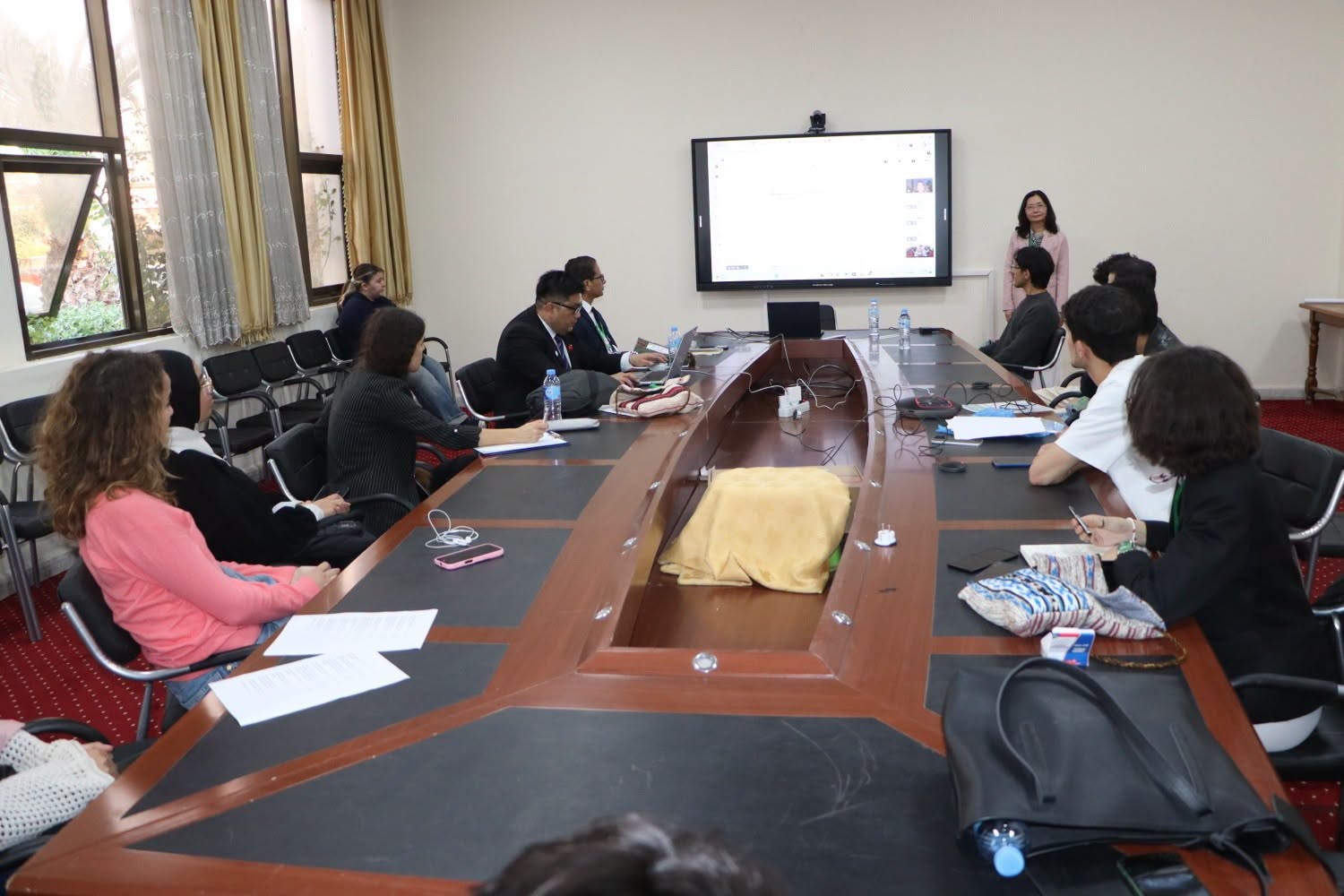
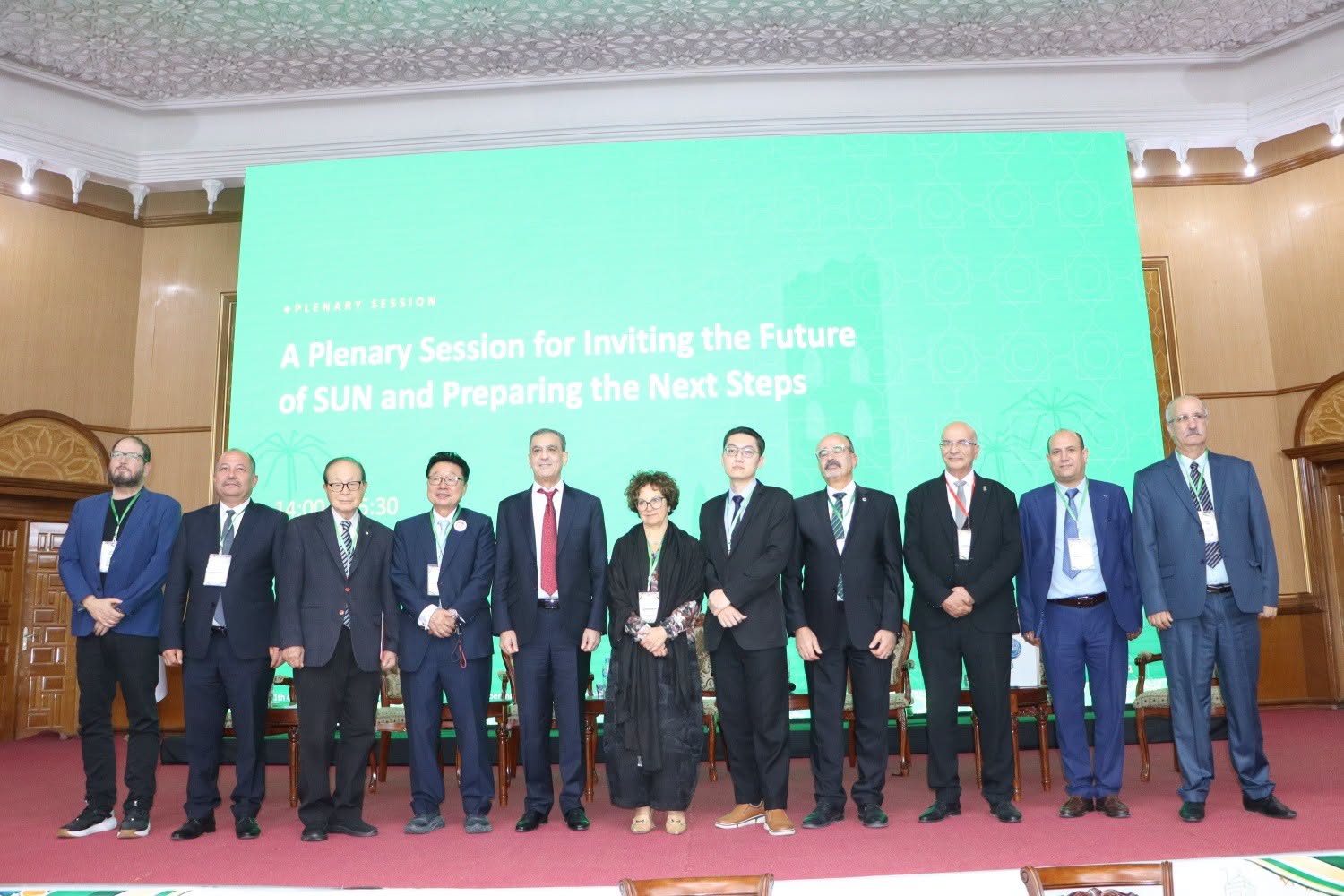
In an atmosphere rich in scientific exchange and constructive academic dialogue, the symposium and its discussion sessions resumed after the break, following a varied and well-rounded programme that combined rigorous scientific presentations, fruitful academic meetings and specialised forums.
The forums opened an in-depth debate on a range of key themes, delving into strategic issues of great topicality and promising future relevance. They began with the prospects for foreign investment in Algeria within the realm of the Belt and Road Initiative, before turning to climate-responsive urban planning and sustainable management of organic waste. They also highlighted the role of waqf in strengthening economic sustainability, and the complementarity between civil society institutions and infrastructure projects.
The discussions also addressed the challenges of the energy and environmental transition. Speakers looked at the green transport of hydrogen and the infrastructure stakes it involves, carbon pricing policies and their relationship with industrial development, and the central role of small and medium-sized enterprises in driving the economy. They concluded with ways of closing the climate finance gap.
At the same time, the sessions featured detailed research on social transformation through social entrepreneurship, prospects for broader cooperation in Silk Road research, and the intersection of language and knowledge in safeguarding linguistic cultural heritage. Participants also reviewed the latest technological applications of solar cells and studied the dynamics of ecosystems and forest fires, reflecting the breadth of the scientific debate and the complementarity of the disciplines taking part.
The impact of this international event is not confined to academia and research. It also offers a showcase for the rich historical and cultural heritage of Tlemcen, a city steeped in living history and a unique scholarly and cultural legacy. Through this event, Abou Bekr Belkaïd University renews its firm commitment to greater openness to the international academic community, to improving the scientific research system and to strengthening bridges of lasting cooperation and partnership with universities around the world.
 |
 |
 |
 |
 |
 |
 |
 |
 |
 |
 |
 |
 |
 |