


On January 16, 1956, a thirty-four-year-old doctor fell on the field of honor along the road connecting Tlemcen to Sebdou. This tragic event plunged the city into deep mourning, which was only alleviated through the demonstrations that accompanied his funeral.
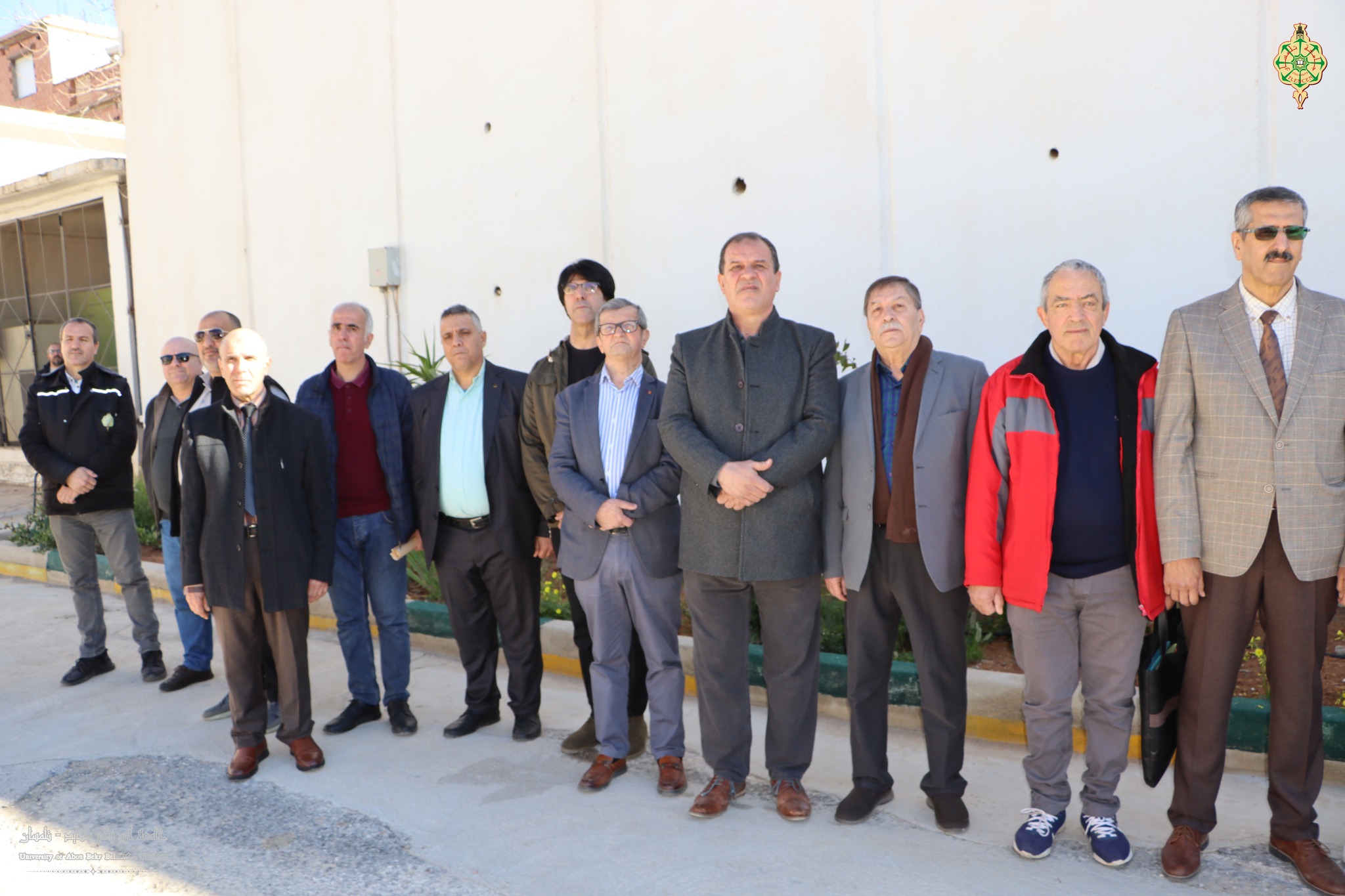
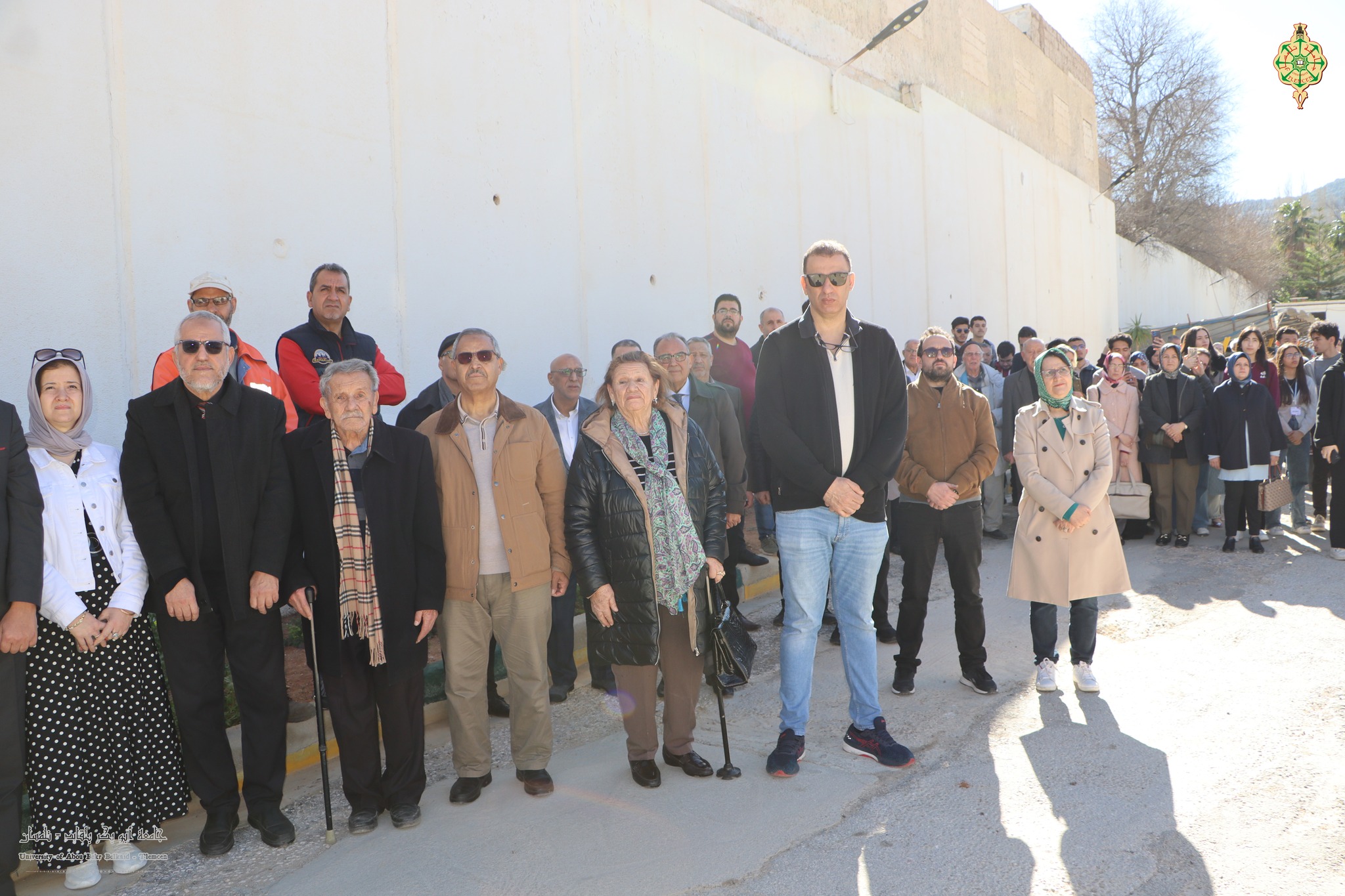
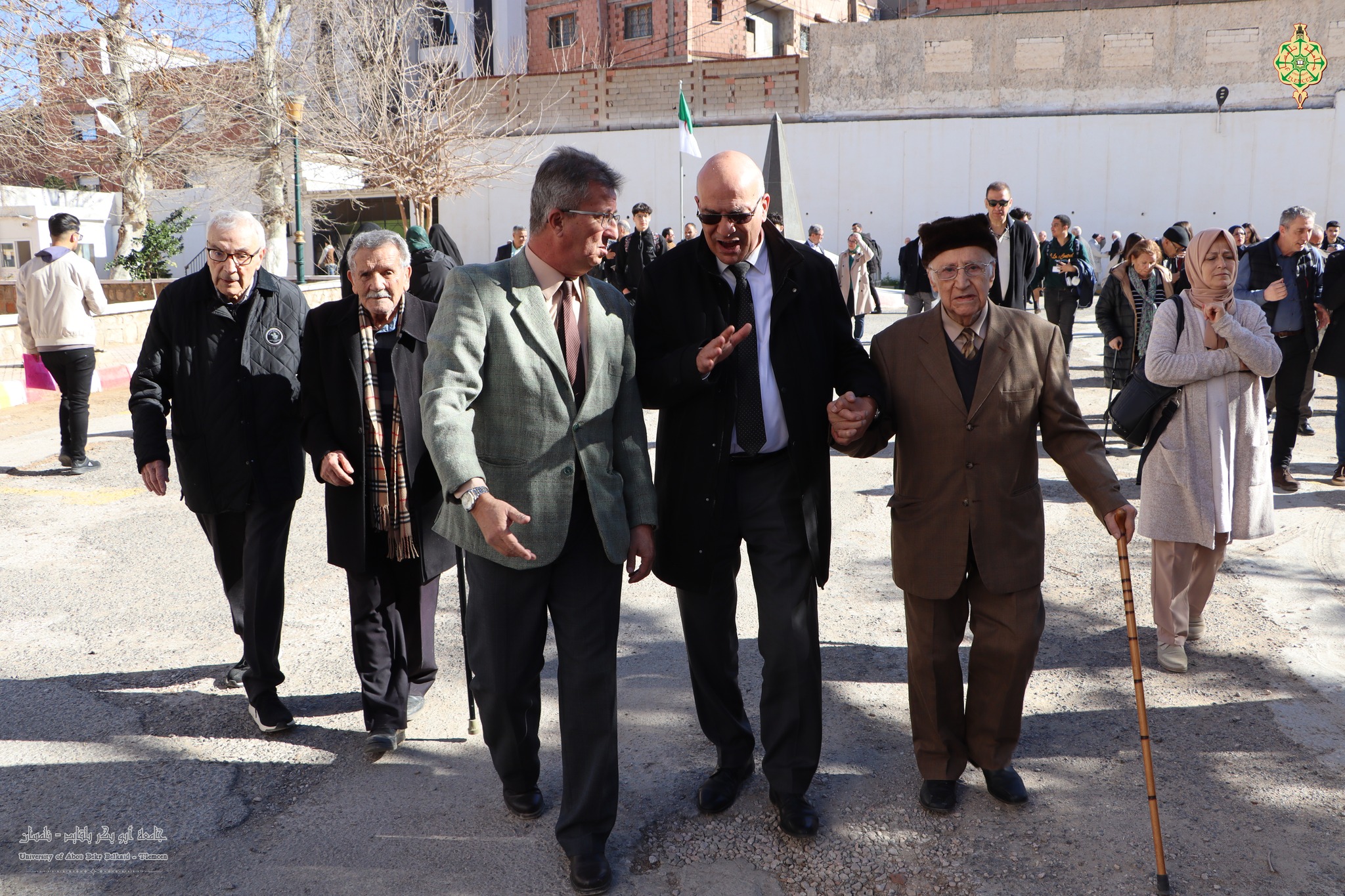
Seventy years later, on Wednesday, February 18, 2026, the University of Tlemcen commemorated at the Faculty of Medicine, the memory of the martyr Dr. Ben Aouda BENZARDJEBE on the occasion of the National Day of the Martyr. The ceremony was attended by the Rector, Prof. Mourad MEGHACHOU, the Vice-Rector in charge of Pedagogy, Prof. Benouar BENSAIME, the deans of the faculties, representatives of the revolutionary family, members of the martyr’s family, as well as faculty members and students.
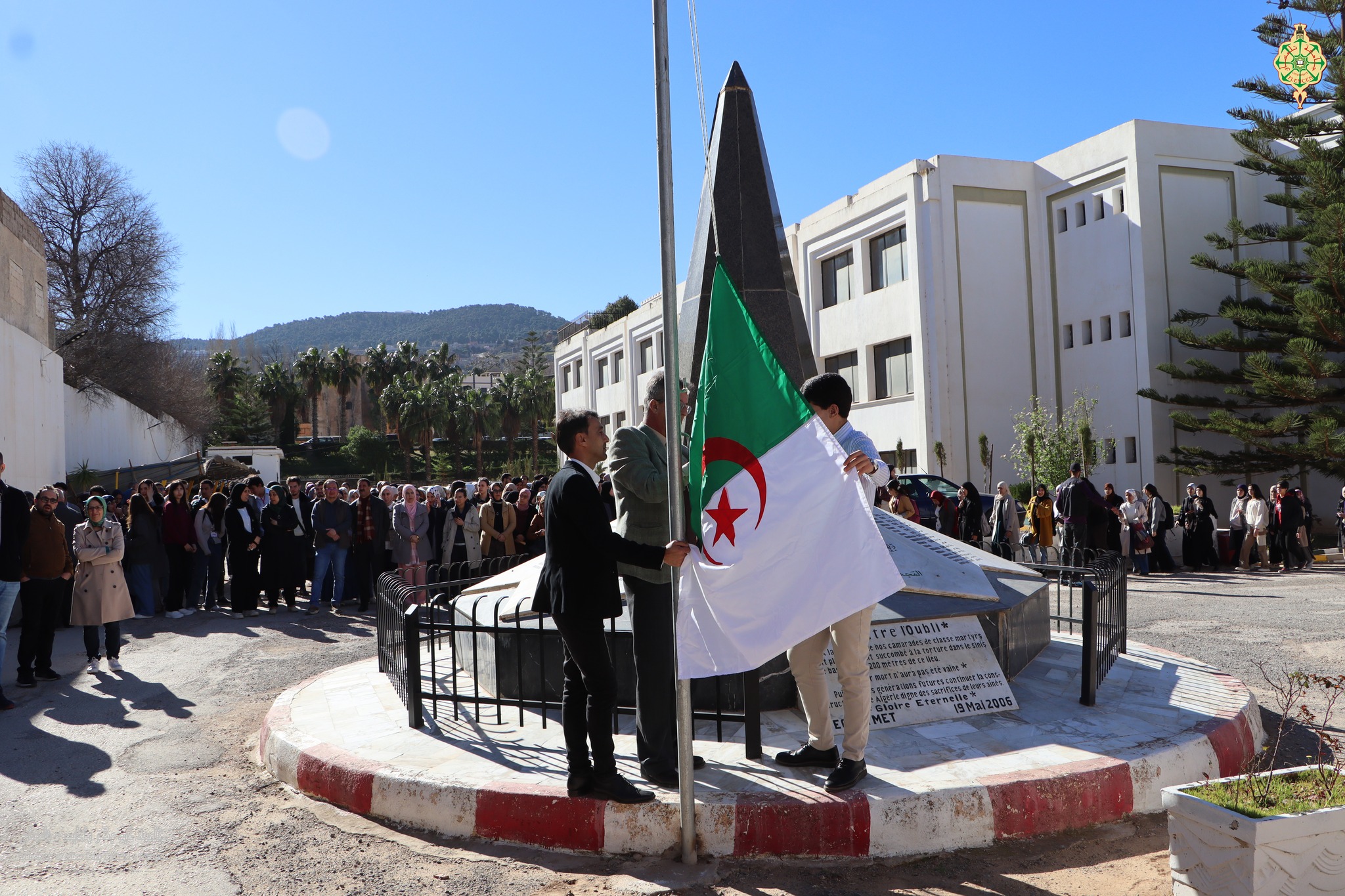
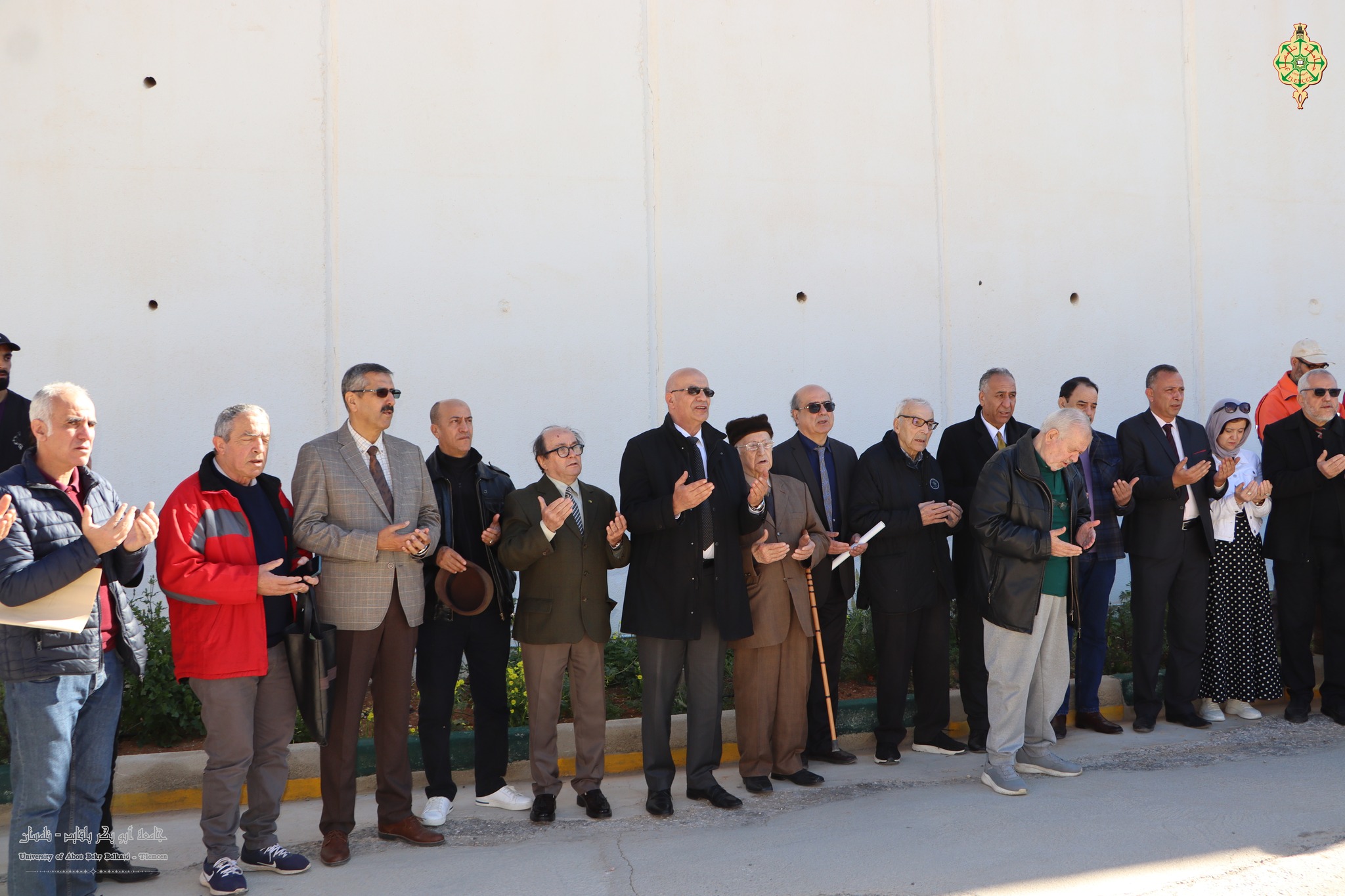
The ceremony began with the raising of the national flag and the recitation of Al-Fatiha, after which the attendees proceeded to the Department of Pharmacy for the official addresses.
In his speech, the Rector emphasized that commemorating one of the University’s martyrs is not merely an annual ritual, but an act of awareness and transmission of values. He reminded students that knowledge has never been an end in itself, and that Dr. BENZARDJEBE exemplified the ability to combine science and civic engagement without conflict.
The Dean of the Faculty of Medicine, Prof. Abdelhafid BEDJAOUI, highlighted a significant aspect of the late doctor’s life: his unwavering commitment to the underprivileged. By opening his clinic to patients without distinction, he was affectionately known as “the doctor of the poor” by those he treated. He stressed that commemorating his memory within a medical institution serves as a strong reminder that medicine is, above all, a mission guided by ethics.
The testimony of the family representative, Mr. Ben Aouda Ben BENZARDJEBE, nephew of the martyr, retraced the life of a child born in Tlemcen in 1921, who went to France in 1941 to pursue medical studies, earning his doctorate in 1948 while actively participating in the national movement among students. Upon returning home, he led a dual life: a doctor by day and a committed underground activist. Arrested in early 1956 during a mission related to acquiring a printing press for the distribution of revolutionary leaflets, he was tortured and then assassinated, becoming the first doctor martyr of the National Liberation War.
The ceremony concluded with a lecture delivered by Prof. Ahmed Ben Daoud, a specialist in contemporary Algerian history, who contextualized the martyr’s scientific and activist contributions within the broader framework of the Revolution. He emphasized that Dr. BENZARDJEBE’s early involvement in the National Liberation Front reflected a strong political consciousness and deep faith in the justness of the national cause, highlighting his role in structuring clandestine cells and providing medical support to the National Liberation Army.
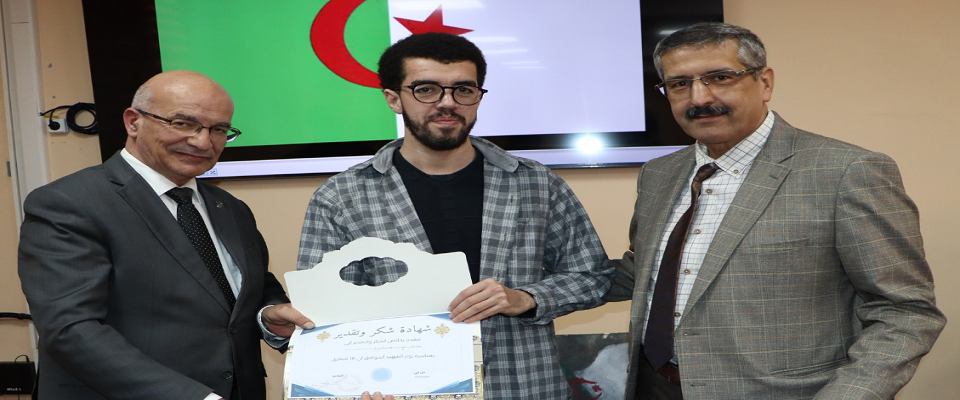
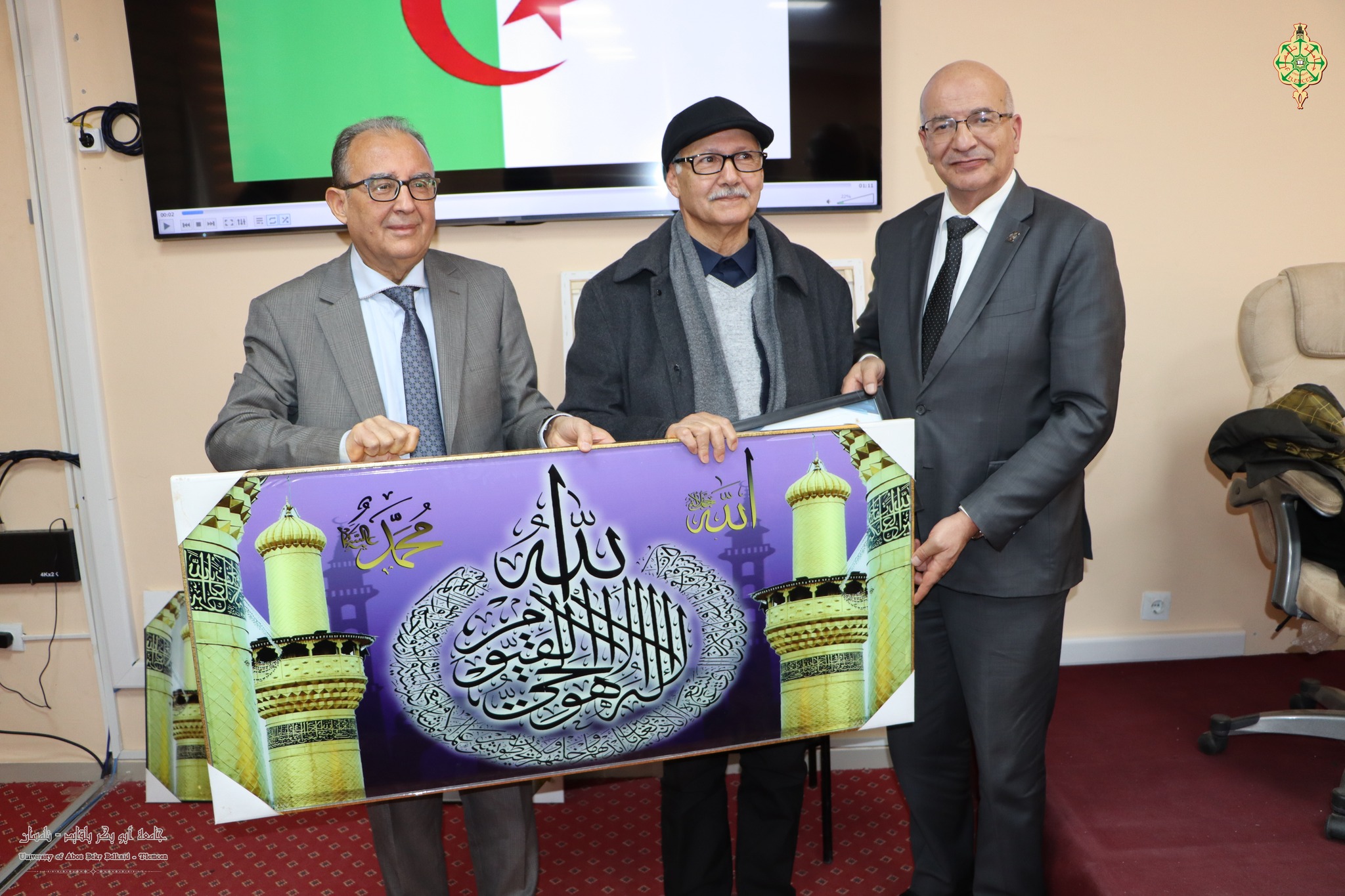
The event ended with the presentation of symbolic honors to the martyr’s family. The name of Dr. Ben Aouda BENZARDJEBE remains engraved in the memory of the university community, symbolizing a doctor for whom knowledge was a form of commitment, love of the homeland a responsibility, and martyrdom the ultimate expression of sacrifice.
Glory and eternity to our valiant martyrs.
 |
 |
 |
 |
 |
 |
 |
 |